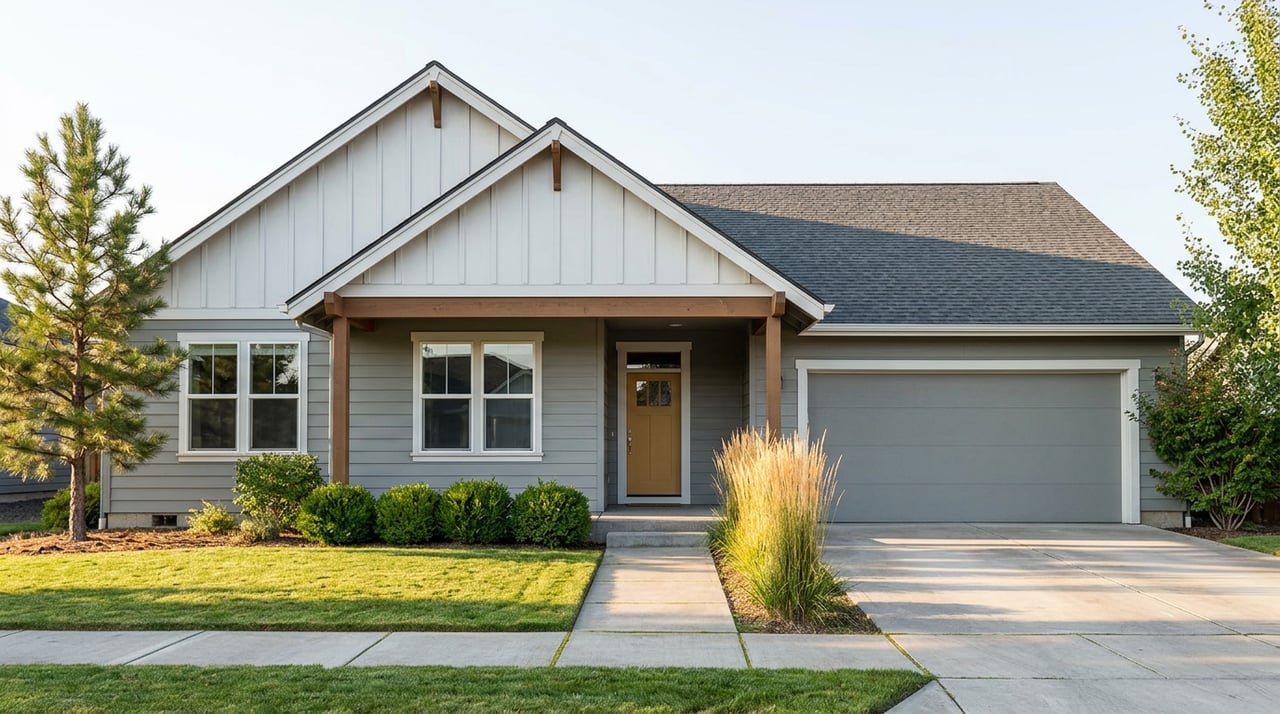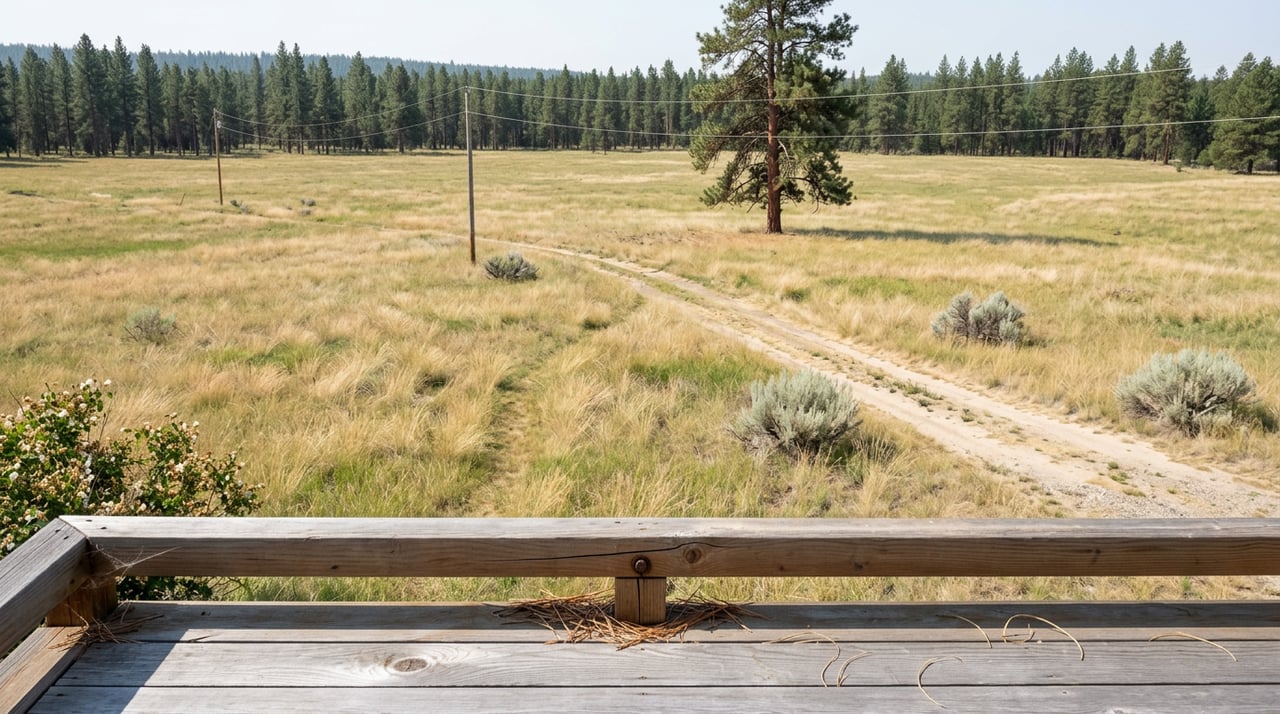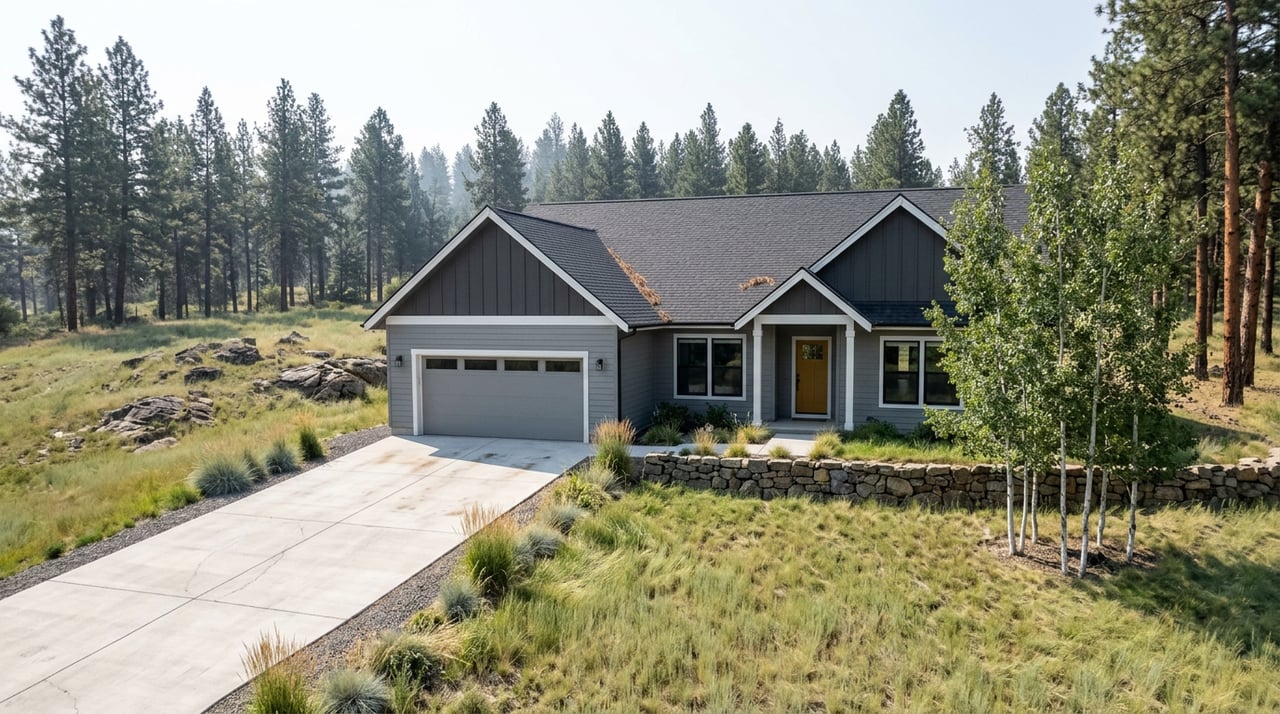
If Helena's median home price is $415,000, why did a South Hills listing that hit the market this spring sell in nine days for nearly double that? And why does the same city produce a median that ranges from $415,000 to $579,000 depending on which source you check?
The honest answer is that "Helena" is not one housing market wearing a single price tag. It is at least three markets stitched together under one city name, and the citywide median is an average of things that do not behave alike. If you are comparing neighborhoods right now, that number is close to useless on its own. What matters is knowing which of Helena's sub-markets you are actually looking at, because the price, the pace, and even the rules for building can look nothing alike a few miles apart.
The Same City, Three Different Markets
Start with the instability of the headline figure itself. Over the three months ending in May 2026, Helena's citywide median sale price sat at $415,000. A separate read on March 2026 data put it at $429,000, down sharply from the year before. By July 2026, one listing-price tracker had the city at $579,000. These are not typos. They are different slices of the same lopsided market, and the spread between them is the first clue that a single Helena median is trying to describe too much at once.
The clearest proof of how thin some of these slices are showed up in the Helena Historic District, where one data provider reported a median sale price of $1.8 million in January 2026, up 574% from the year before. That is not a neighborhood repricing itself overnight. That is what happens when only a handful of homes trade hands in a given month and one high-value sale skews the whole average. It is a useful reminder before you lean on any single median: ask how many sales are actually behind it.
Three sub-markets explain most of the spread:
South Hills, where custom, acreage-lot homes dominate and inventory rarely sits long enough to build up.
The Downtown and Westside core, where older housing stock and smaller in-town lots keep prices closer to the middle of the range.
Master-planned new-construction communities on the city's east side, where the price and the process are both set well before you ever tour a lot.
What South Hills Actually Costs You
South Hills is the neighborhood most responsible for pulling the city's average upward, and it works differently from the rest of Helena's market. Trailing twelve-month sales there carried a median around $820,500, up 3% year over year, while current listings skewed even higher, closer to $912,000. Homes there sold after an average of just 9 days on market, a fraction of the 47 to 78 day range Helena saw citywide over the same stretch.
That gap between fast and slow is not a coincidence. South Hills is built around larger, view-oriented lots and custom construction rather than a deep rotation of comparable resale homes. When inventory is that thin, a buyer who waits to "see what else comes up" often finds there was nothing else to see. If you are comparing a South Hills property to the citywide median, you are not comparing similar goods. You are comparing a boutique market to a general one.
The Builder List Nobody Mentions Until You're Under Contract on a Lot
The third piece of Helena's puzzle is the one buyers are least likely to hear about before they are already invested in a lot: master-planned communities do not let you build with just anyone.
Mountain View Meadows, one of the larger new-construction communities on Helena's east side, maintains a list of pre-approved builders and design standards that any new home in the community has to meet. Sierra Custom Homes, one of the approved builders there, works closely enough with the community to complete over 35 homes a year on its lots. Other approved builders include Casteel Construction, founded in 2004 by Helena native Charles Casteel, Weatherall Builders, and Grewett Construction, a family-owned firm that has built in Helena since 1988. If you buy a lot in a community like this expecting to bring in an outside contractor of your choosing, the design-standards board may tell you otherwise.
Sussex Construction runs a similar model at its own master-planned neighborhoods, Heron Creek and South Downs, where ponds, creeks, and rolling building sites are paired with the company's own design process rather than an open builder market. Individual spec homes are moving through these communities right now: a KIB Homes property overlooking the 15th green at Fox Ridge Golf Course was slated to complete April 1, 2026, and McCall Homes has been actively building its Topaz and Garnet floor plans at Mountain View Meadows this year.
None of this makes new construction a worse option. It makes it a different kind of purchase. You are trading the open-ended customization of a South Hills acreage build for a narrower, more predictable process with fewer surprises on cost and timeline. That trade-off rarely shows up in a listing description, but it shows up the moment you try to hire your own contractor and find out the community has already decided who is allowed to build there.
| Sub-market | What recent data showed | What it actually means |
|---|---|---|
| South Hills | ~$820,500 trailing 12-month median (up 3% YoY); ~9 days on market | Thin inventory, custom acreage lots, prices move fast because there is little to compare against |
| Downtown / Westside core | Listings clustering near $481,000-$500,000; days on market closer to the citywide range | Older housing stock, smaller in-town lots, closest to what the citywide median actually describes |
| Master-planned new construction (Mountain View Meadows, Heron Creek, South Downs) | Builder-set pricing tied to approved builder rosters | Design-review boards and pre-approved builder lists cap customization but also cap surprises |
What This Means If You're Comparing Neighborhoods
The practical takeaway is simple: stop anchoring your search to a single citywide number and start asking which sub-market a listing actually belongs to. A South Hills price tag reflects scarcity and land, not just square footage. A Downtown or Westside price reflects an older, deeper resale pool. A Mountain View Meadows or Heron Creek price reflects a builder-controlled process where the design standards were set long before the lot was ever listed.
If you are weighing a custom build against a master-planned spec home, the honest comparison is not the price per square foot. It is how much flexibility you are willing to give up in exchange for a more predictable timeline and cost.
What This Means If You're Selling
If your home sits in South Hills, your comp set is South Hills, not the citywide median. Given how few transactions happen there in a typical month, an appraiser or a buyer's agent working from citywide averages will misprice your home in either direction. Precision matters more in a thin market, not less.
If you are selling a resale home inside a master-planned community, expect buyers to ask about the builder who originally constructed it and whether that builder is still on the community's approved list. That detail can affect how a buyer's own future renovation plans line up with the neighborhood's design standards, even on a resale.
A Few Questions Worth Asking
Does a quoted median price include new construction or just resales? It depends on the source, and the two rarely move the same direction in a market where new construction is concentrated in a handful of communities. Ask which one you are looking at before you compare it to another number.
How do I find out which builders are approved in a specific subdivision? Master-planned communities generally publish this directly. Mountain View Meadows lists its approved builders and design standards on its own site, and Sussex Construction does the same for Heron Creek and South Downs.
Why do days-on-market numbers vary so much between Helena's neighborhoods? Inventory depth is the driver. A neighborhood with few comparable listings, like South Hills, will show much faster average sale times than a neighborhood with a deeper, more constant supply of similar homes.
Helena's citywide median is a useful headline and a poor map. If you are trying to figure out what your money actually buys here, the better first question is not "what is Helena's median home price," but "which Helena am I actually looking at." Cameron Hahn works across all three of these markets day to day and can help you figure out which comparison actually applies to your search. Schedule a free consultation to talk through where your budget lands once you know which market you're really in.