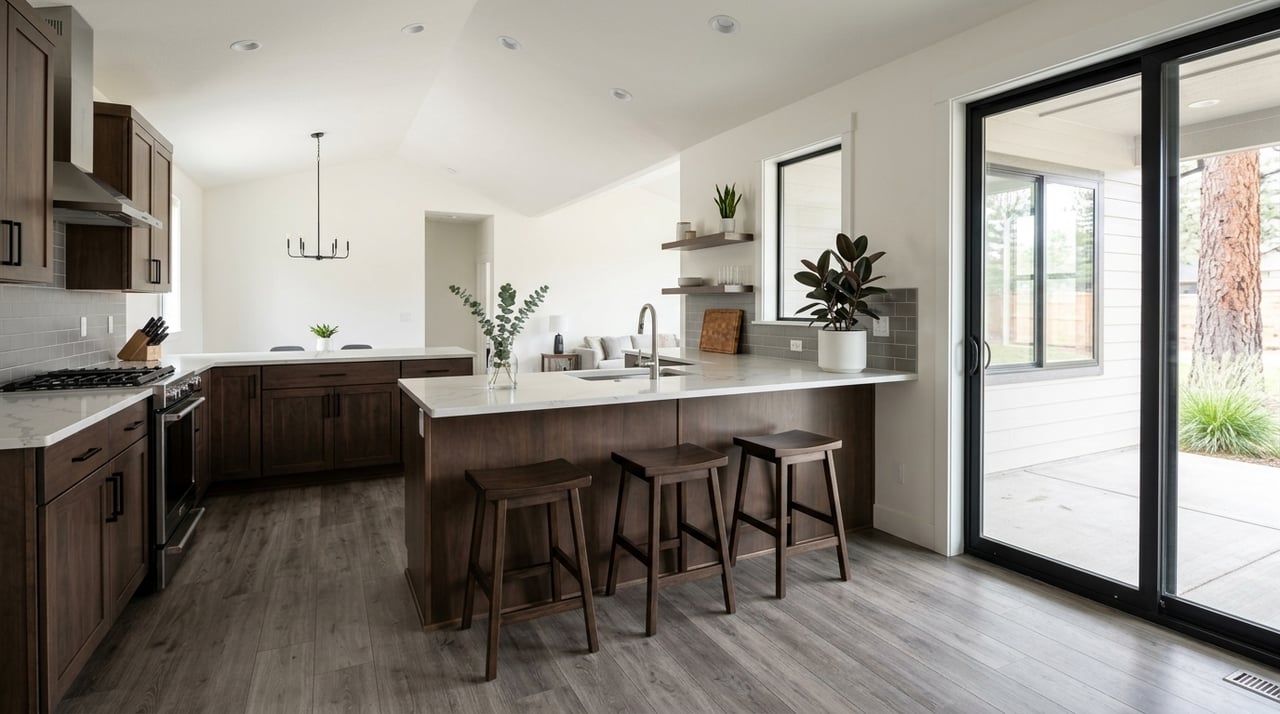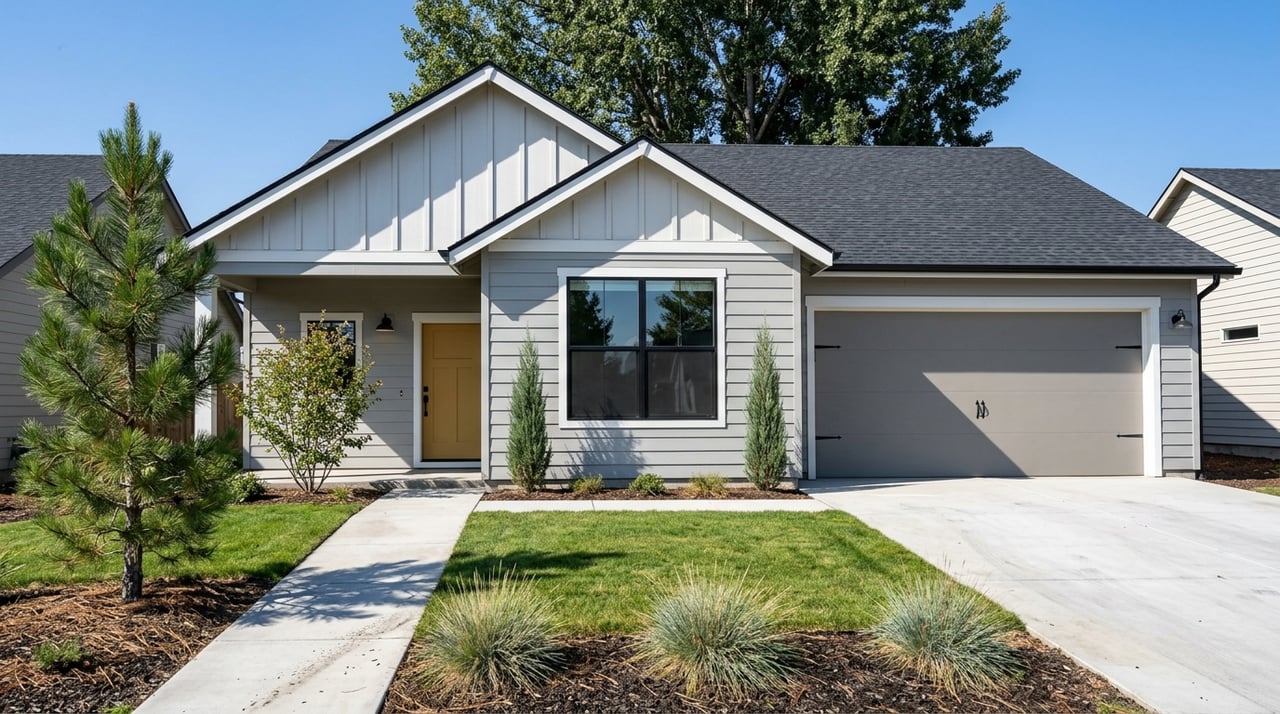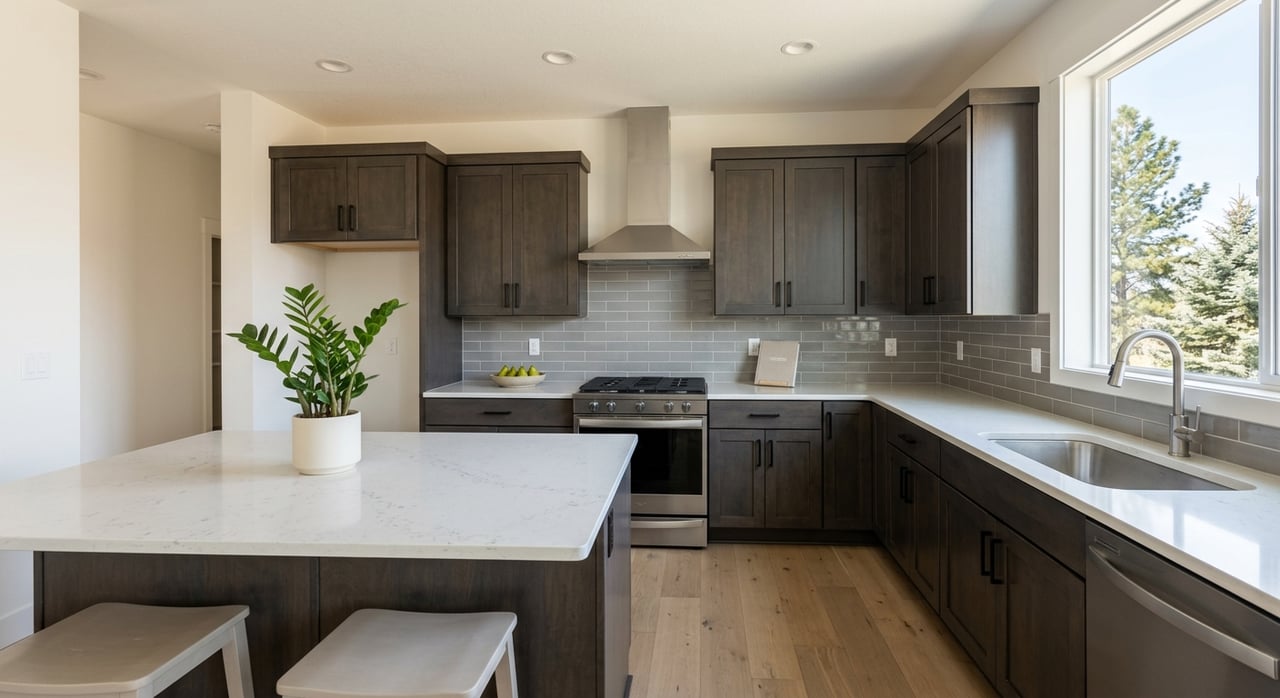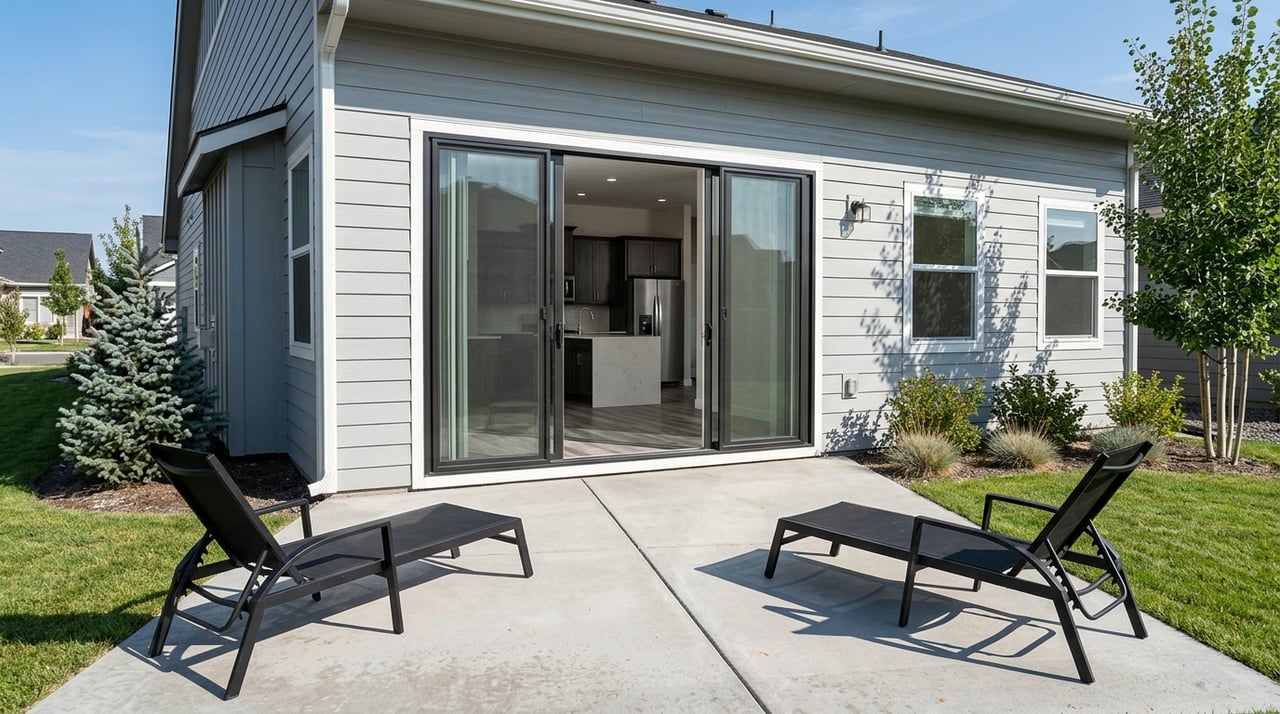
Thinking about relocating to Bozeman? You are not alone. Bozeman continues to draw buyers and renters who want a balance of city convenience, mountain access, and a strong day-to-day quality of life. If you are weighing a move, this guide will help you understand Bozeman’s housing mix, price points, commute patterns, and lifestyle trade-offs so you can make a more confident plan. Let’s dive in.
Bozeman at a glance
Bozeman is a fast-growing midsize city with an estimated 57,894 residents in 2024. Since 2020, the population has grown by 8.1%, which helps explain why housing choices, pricing, and neighborhood feel can vary quite a bit across the city.
The city’s median household income is $85,747. Census data also reports a median gross rent of $1,717 and a median owner-occupied home value of $687,900. Those numbers give you a quick reality check if you are comparing Bozeman with other Montana cities.
Bozeman housing costs and inventory
If you are moving to Bozeman, housing is usually the first big adjustment. Recent Redfin data shows a median sale price of $672,098 for the three months ending May 2026, with homes averaging 80 days on market.
That pace suggests you may have time to evaluate options, but not every property type will move the same way. In the broader Bozeman housing market area, HUD described conditions as balanced in June 2025, with 6.5 months of inventory and an average home price of $885,900 during the prior 12 months.
The wider market also includes a meaningful luxury segment. About 51% of new and existing sales were priced between $350,000 and $749,999, while roughly 25% were above $1 million. For you as a buyer, that means Bozeman is not one single price band. It is a market with very different entry points depending on property type and location.
What types of homes you will find
Bozeman’s housing stock is more varied than many Montana buyers expect. According to Gallatin County’s housing assessment, the Bozeman area is about 50% single-family detached homes, more than 30% multifamily, with the rest mostly duplexes and townhomes.
That mix matters if you are relocating from a market where detached homes dominate. In Bozeman, condos, townhomes, duplexes, and apartment-style living play a larger role in the overall housing picture, especially for people who want lower maintenance or a lower purchase price than a detached home may offer.
It also means your search can be more strategic. If your top priority is space and privacy, single-family homes may lead your list. If your goal is to stay closer to central amenities or keep costs more manageable, attached housing may open more options.
Renting before you buy
For some relocators, renting first is the smartest move. Bozeman’s owner-occupied housing rate is 44.7%, which is well below Montana’s statewide rate of 69.2%. That points to a city with a relatively larger renter population and a stronger multifamily presence than many other parts of the state.
Rent levels still require planning. The Census reports a median gross rent of $1,717, while Gallatin County’s housing assessment estimated average rent in the Bozeman and Belgrade area near $1,900 per month in 2023. If you are unsure which part of town fits your routine, leasing first can give you time to test your commute, access to parks, and preferred housing style before making a purchase.
How Bozeman compares to other Montana cities
If you are choosing between several Montana markets, Bozeman stands out on price. Over the three months ending May 2026, median sale prices were about $672,098 in Bozeman, compared with $546,923 in Missoula, $414,752 in Helena, and $384,770 in Billings.
Bozeman also had a longer average marketing time than some peers. Homes averaged 80 days on market in Bozeman, compared with 61 in Missoula, 47 in Helena, and 73 in Billings. In practical terms, you will usually need a larger budget in Bozeman than in Helena or Billings, and you may want to allow a longer search window than you would in Helena or Missoula.
Getting around Bozeman
Bozeman is still largely car-oriented, but it is not a place without alternatives. Redfin reports a Walk Score of 47, a Transit Score of 21, and a Bike Score of 62. Census data shows an average commute time of 15.4 minutes.
For everyday living, that usually means central Bozeman is the easiest place to manage errands with fewer car trips, while outer areas tend to feel more vehicle-dependent. If walkability or a lighter driving routine matters to you, it is worth narrowing your search geography early.
Public transit and regional access
Bozeman’s local transit system is Streamline, and it is a useful feature for many residents. Streamline is zero-fare and operates four in-town routes in Bozeman, along with weekday commuter service to Belgrade and Livingston and modified weekend service.
The newer northeast Bozeman shuttle adds service to places like Story Mill Park, Glen Lake Rotary Park, the HRDC Community Commons campus, and nearby businesses. If you want the option to use transit for some trips, areas with easier access to Streamline routes may deserve extra attention.
Regional travel is another practical advantage. Bozeman Yellowstone International Airport says it is Montana’s busiest airport, with summer 2026 service from eight airline brands and 27 nonstop destinations. For many relocators, that level of air access is a major part of Bozeman’s appeal.
Bozeman lifestyle and outdoor access
One of Bozeman’s biggest strengths is how easy it is to build outdoor recreation into ordinary life. The city maintains a broad parks system that includes neighborhood, community, pocket, and linear parks and trails, with city parks open daily from 5:00 a.m. to 11:00 p.m.
Story Mill Community Park is one of the clearest examples of that lifestyle. This 60-acre park in northeast Bozeman includes an adventure playground, picnic pavilions, gardens, a community center, and restored wetlands with trails and boardwalks. If nearby green space is high on your list, this part of town may feel especially convenient.
South of town, Hyalite Canyon is a major recreation draw. The Hyalite Recreation Area sits 15 miles south of Bozeman and offers camping, fishing, hiking, and climbing, with a seasonal motorized closure from April 1 to May 15.
North of town, the Bozeman Ranger District manages much of the nearby recreation, including the Bridger Range and Bridger Bowl. The district also notes that several trailheads are just minutes from town, which helps explain why many residents organize their housing search around recreation access as much as commute time.
How different parts of Bozeman feel
Relocating goes more smoothly when you match your home search to your daily habits. Based on local park, trail, and transit patterns, different parts of Bozeman tend to offer different advantages.
Central Bozeman
Central Bozeman is often the easiest fit if you want simpler errands, better access to transit, and a more connected in-town routine. With the city’s moderate walk and bike scores, this area is generally the strongest option for living a bit more car-light.
Northeast Bozeman
Northeast Bozeman leans toward parks and community amenities. With places like Story Mill Community Park and the northeast shuttle, it can be a practical choice if you want frequent access to open space and local gathering spots.
South Bozeman
South Bozeman can make sense if your routine revolves around quick access to Hyalite. If hiking, climbing, fishing, or canyon access are part of your weekly lifestyle, this side of town may save you time and make those habits easier to maintain.
North Bozeman
North Bozeman offers easier access toward the Bridger side of the region. If your ideal weekend starts with a shorter drive toward trailheads or Bridger-area recreation, this may be the right direction to explore.
What relocators should decide first
Before you tour homes, it helps to get clear on three things: budget, daily travel pattern, and lifestyle priorities. In Bozeman, those three factors shape almost every smart housing decision.
A detached home with more space may pull you farther from central conveniences. A condo or townhome may improve location and ease of maintenance. A rental may give you time to learn the city before you commit. The right answer depends on how you want everyday life to work once you arrive.
A practical relocation strategy
If you want to make your move feel more organized, start with a short planning checklist:
- Set a realistic monthly housing budget
- Decide whether you want to rent first or buy right away
- Rank your priorities for commute, airport access, and recreation
- Identify whether single-family or attached housing fits you better
- Narrow your search to the part of Bozeman that matches your routine
- Leave enough search time for a market where homes average about 80 days on market
This approach keeps you focused on fit, not just listings. In a market as segmented as Bozeman, that can save time and reduce second-guessing.
If you are planning a move to Bozeman and want help narrowing your options, working with a knowledgeable advisor can make the process much clearer. Cameron Hahn offers high-touch buyer guidance and relocation support grounded in Montana market knowledge, so you can weigh housing choices, lifestyle goals, and timing with confidence.
FAQs
What is the current home price trend in Bozeman, Montana?
- Recent Redfin data shows a median sale price of $672,098 in Bozeman for the three months ending May 2026.
Is Bozeman more expensive than other Montana cities?
- Yes. In this comparison set, Bozeman had a higher median sale price than Missoula, Helena, and Billings.
What kinds of housing are common in Bozeman?
- Bozeman has a mixed housing stock that includes about 50% single-family detached homes, more than 30% multifamily housing, plus duplexes and townhomes.
Is Bozeman a good place to rent before buying?
- For many relocators, yes. Bozeman has a relatively large renter share, and renting first can help you learn the city before making a purchase decision.
How easy is it to get around Bozeman without a car?
- Bozeman is still mostly car-oriented, but central areas can be easier for walking, biking, and using the zero-fare Streamline bus system.
What parts of Bozeman are best for outdoor access?
- South Bozeman offers faster access to Hyalite, while north Bozeman is a practical base for Bridger-side recreation and trail access.