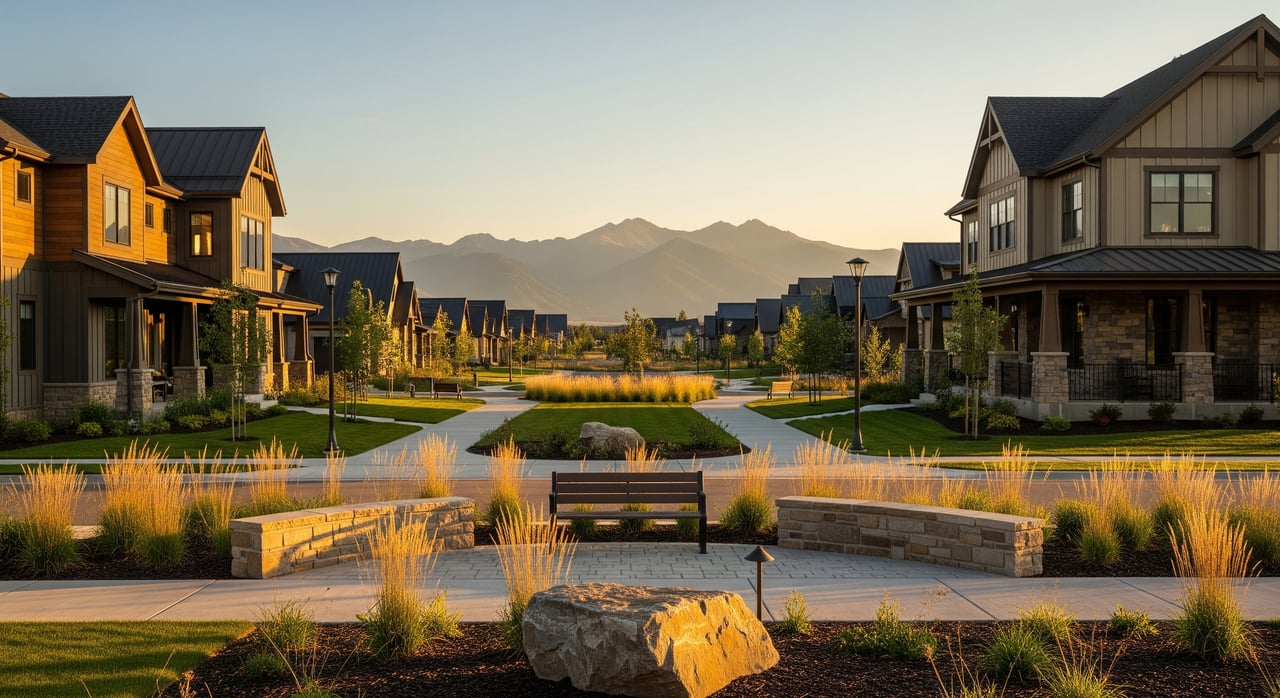
Trying to decide between two of Bozeman’s most talked-about new-build neighborhoods? Choosing between Northwest Crossing and Flanders Mill can feel like comparing apples to apples until you look closer at location, amenities, builders, and long-term resale. You want a home that fits your daily routine and holds value over time. This guide breaks down how to compare these communities, what to verify, and the key tradeoffs that matter in Bozeman. Let’s dive in.
Quick take: how they differ
- Northwest Crossing is often positioned as a master-planned, mixed-housing neighborhood with a walkable feel and potential for neighborhood retail. Flanders Mill is a newer, rapidly developing subdivision with a range of home types and evolving amenities.
- Your decision likely comes down to commute patterns, which amenities are completed versus planned, builder portfolios, HOA rules, and lot-by-lot differences that affect privacy and views.
- Confirm current offerings, construction phases, and HOA documents before you write an offer.
Location and commute
Where you live in Bozeman shapes your day. Compare typical drive times to downtown, Montana State University, and major services such as Bozeman Health. Northwest Crossing sits on Bozeman’s northwest side, which can be convenient for I-90 access and trips across the valley. Flanders Mill is within the city’s ongoing growth area, so travel patterns may depend on which phase or street you choose.
Tips:
- Test drive both routes during off-peak and peak times to key destinations like Montana State University and downtown.
- Ask about any planned roadwork or new arterials, and review updates from the Montana Department of Transportation.
- Check the development phasing around your target lot to understand interim construction traffic and noise.
Amenities and outdoor access
Lifestyle perks vary by phase and block. Northwest Crossing is marketed for neighborhood-oriented living, with parks, sidewalks, and potential on-site retail or services. Flanders Mill emphasizes neighborhood parks, paths, and open-space elements that evolve as phases build out.
What to verify before you buy:
- Which amenities are completed today versus planned for later phases.
- Trail connections to the city system, sidewalk continuity, and safe crossings on nearby arterials.
- Park locations relative to your lot and how that affects privacy, activity levels, and views.
Homes, builders, and floor plans
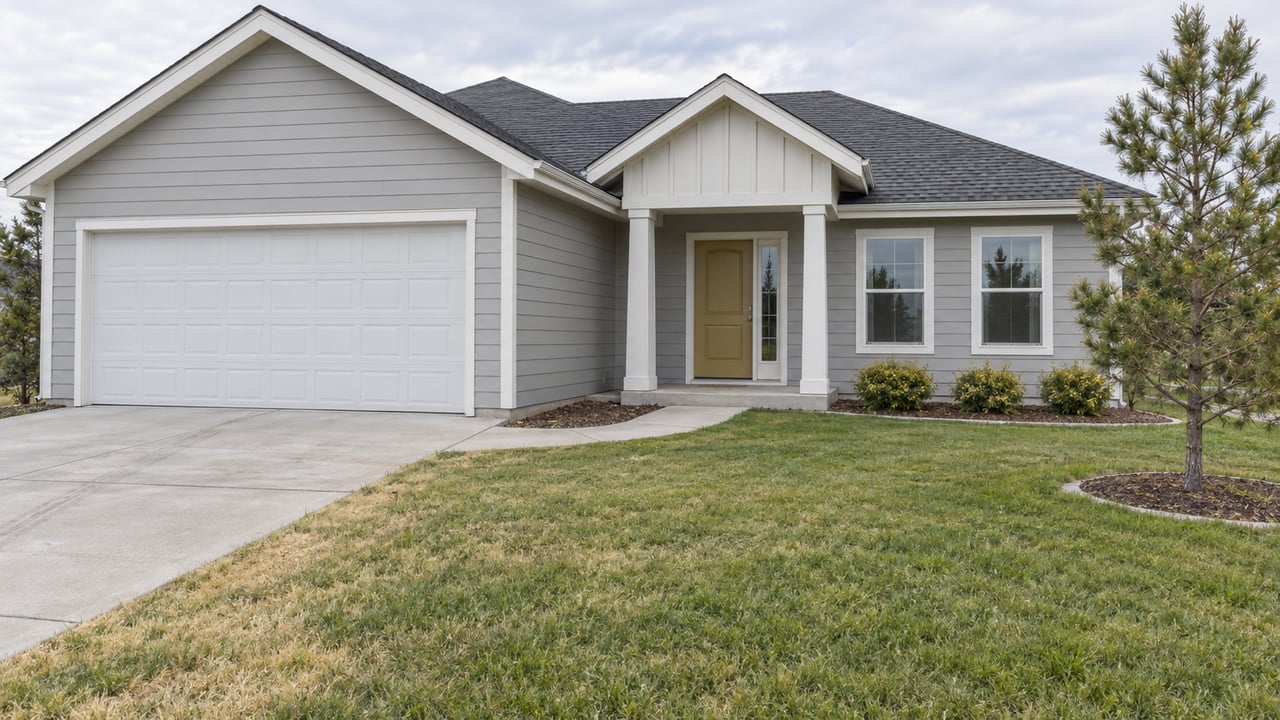
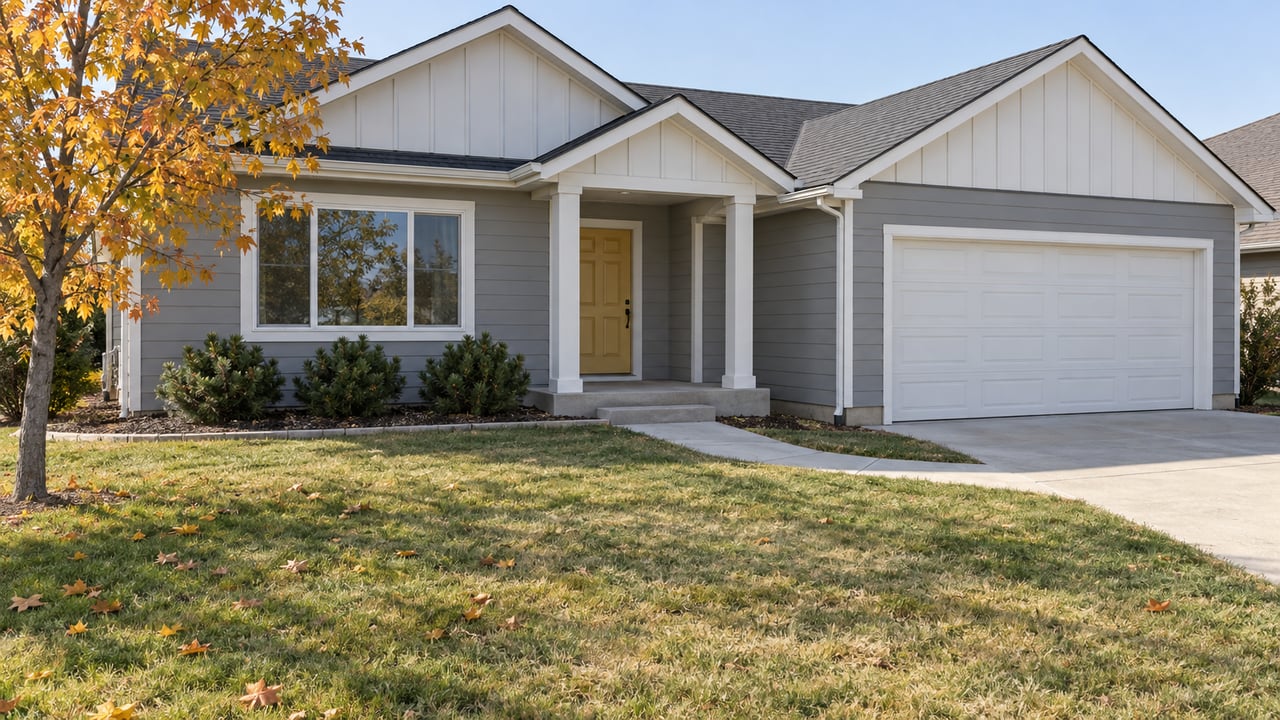
Both areas typically feature a mix of single-family homes and some attached options. In Northwest Crossing, you may see single-family on small lots, townhomes or duplexes, and potential carriage or ADU opportunities depending on plats and covenants. In Flanders Mill, offerings often include small-lot and larger-lot single-family, with some duplex or townhome products and custom-lot options depending on the phase.
How to compare builders:
- Tour model homes and ask for a features sheet that spells out included finishes versus upgrades.
- Review warranty terms. Many new homes follow a 1-year workmanship, 2-year systems, 10-year structural pattern, but confirm builder-specific coverage in writing.
- Ask about energy features, third-party tests, and any certifications such as ENERGY STAR.
HOA rules and everyday living
Both communities are likely to have HOAs or an architectural review process. Dues and rules can shape day-to-day life and future resale.
Key documents to request:
- Current HOA dues and what they cover, such as snow removal on private streets, park maintenance, or common-space landscaping.
- Design guidelines, fencing standards, parking restrictions, satellite dish placement, and any short-term rental restrictions.
- ARC timeline for approvals so you know how long exterior changes may take.
Construction quality and energy performance
Newer Bozeman homes often emphasize energy performance and comfort, which affects your monthly costs and resale appeal.
Questions to ask the builder:
- Insulation levels, window U-factors, and typical blower-door test results.
- HVAC type, ventilation strategy, and any indoor air-quality upgrades.
- Whether homes are third-party tested or certified. If so, request documentation and estimated utility costs.
Environmental and infrastructure checks
Due diligence goes beyond the house. Review site-specific risks and public records early.
- Flood: Search your lot on the FEMA Flood Map Service Center and confirm any mapped drainage easements.
- Wildfire: Understand defensible-space practices using resources from the Montana DNRC.
- Soils and drainage: Ask for soils reports, fill notes, and any stormwater design details. Understand where swales or ponds sit relative to your lot.
- Utilities and approvals: Verify water and sewer providers, special assessments, and planning approvals on the City of Bozeman site or with staff.
Schools and services
If school assignment matters for your household, confirm current boundaries and transportation options with the Bozeman School District. For day-to-day convenience, map distances to groceries, medical clinics, banking, and fitness. Proximity to services can reduce drive time and support resale.
Resale and market performance
Resale in Bozeman’s new communities is driven by micro-location, builder reputation, amenity completion, and lot features such as views or solar orientation. Homes with documented energy performance and modern floor plans typically show stronger buyer demand. To compare neighborhoods head to head, look at closed sales of homes 0–5 years old nearby and track days on market, price per square foot, and sale-to-list ratio.
Where to confirm the numbers:
- Ask for recent sales and current inventory from your agent and cross-check trends with the Gallatin Association of REALTORS.
- Note how much of each community is built out. Fully realized amenities and mature streetscapes can support pricing.
Which is right for you?
- Choose Northwest Crossing if you prefer a master-planned feel with a mix of housing types and the potential for on-site shops and services, plus an emphasis on walkable neighborhood design.
- Choose Flanders Mill if you value a range of single-family options across different lot sizes, evolving parks and paths, and the flexibility of a growing residential area.
- In both, the better choice is the specific lot and builder that match your commute, privacy expectations, and budget. Tour both neighborhoods at different times of day before you decide.
Your next step
If you want a clear, side-by-side plan tailored to your budget and timeline, let’s walk both neighborhoods together, review HOA docs, compare builder packages, and line up the best options. Schedule a free consultation with Cameron Hahn to get started.
FAQs
What are the main differences between Northwest Crossing and Flanders Mill in Bozeman?
- Northwest Crossing emphasizes a master-planned, mixed-housing, neighborhood-focused design, while Flanders Mill is a newer subdivision with a broad range of single-family and attached options that evolve by phase.
Which neighborhood offers a shorter commute to MSU and downtown Bozeman?
- Commute times depend on your exact address, traffic, and phase location, so test-drive routes to downtown and Montana State University during peak and off-peak periods and watch updates from the Montana Department of Transportation.
Are amenities completed yet in these neighborhoods or still planned?
- Both areas include completed and planned elements by phase, so request a current amenity map, confirm timelines with the developer, and verify with the City of Bozeman planning resources.
How do HOAs and covenants impact daily life and resale in Bozeman’s new communities?
- HOAs influence curb appeal and maintenance standards, but dues and restrictions vary, so review current budgets, rules on fencing and parking, and any short-term rental limits to understand both lifestyle and resale effects.
What should I look for in builder quality and warranties when buying new construction?
- Compare included features versus upgrades, ask for written warranty terms, and request documentation for any energy testing or certifications such as ENERGY STAR to gauge performance and long-term value.
Are there environmental risks like floodplain or wildfire to consider?
- Use the FEMA Flood Map Service Center to check flood risk, consult the Montana DNRC for wildfire readiness guidance, and review any soils or drainage notes tied to your specific lot.