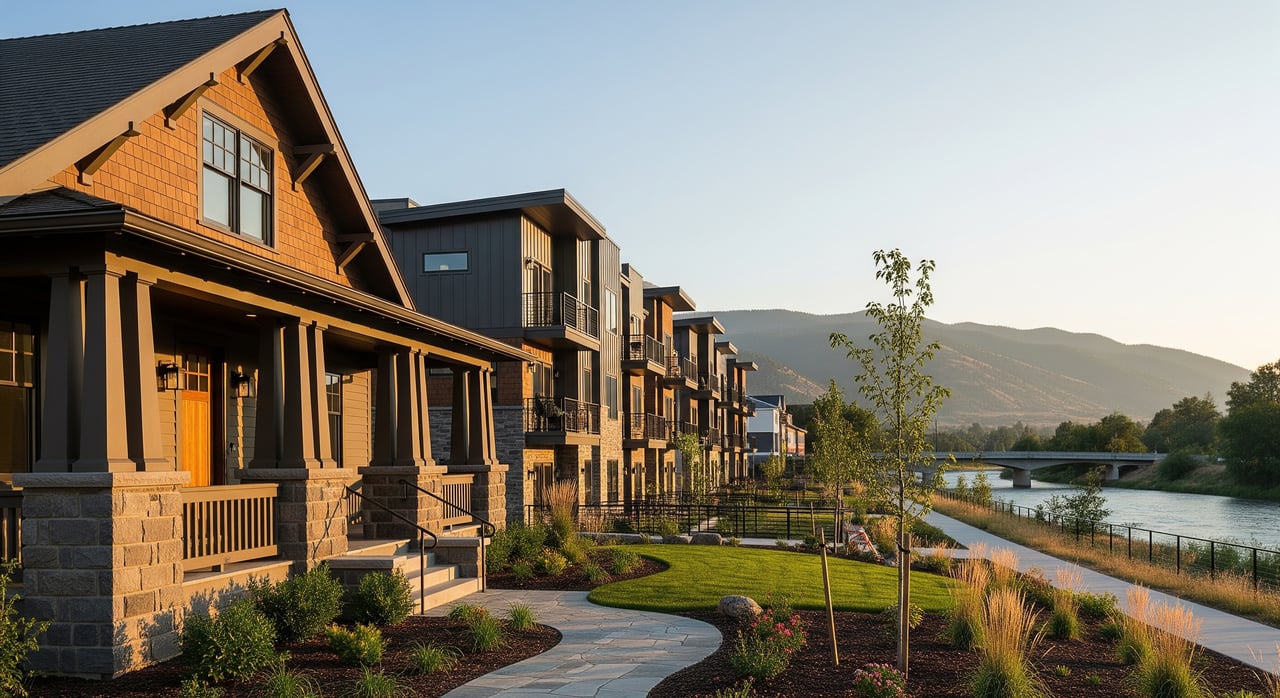
Trying to decide between a condo, a townhome, or a detached house in Missoula? You’re not alone. Each option offers a different mix of maintenance, cost, and lifestyle. In this guide, you’ll learn what you actually own with each property type, how HOAs and insurance work, what to expect for long‑term costs, and which choice tends to fit different Missoula lifestyles. Let’s dive in.
What you own with each option
Condos: Interior ownership, shared exteriors
When you buy a condo, you own the interior of your unit, often called the airspace. You also share ownership of the building’s common elements like hallways, roof, exterior walls, land, and any amenities. The homeowners association, or HOA, manages and maintains the common areas according to the recorded declaration and bylaws.
This structure keeps your exterior maintenance low, but it also means community rules and shared decisions. For clarity, always review the condo declaration and bylaws to understand unit boundaries and responsibilities.
Townhomes: Two common legal forms
Townhomes can be set up in two different ways. Some are legally condominiums where you own the interior and the HOA owns and maintains the exterior and shared elements. Others are fee‑simple homes where you own the structure and the lot, and an HOA maintains only shared features like private roads or landscaping.
Do not assume all townhomes operate the same way. Your responsibilities depend on the recorded documents, so confirm what the HOA covers and what falls on you, especially for the roof, siding, and building envelope.
Detached houses: You own the home and lot
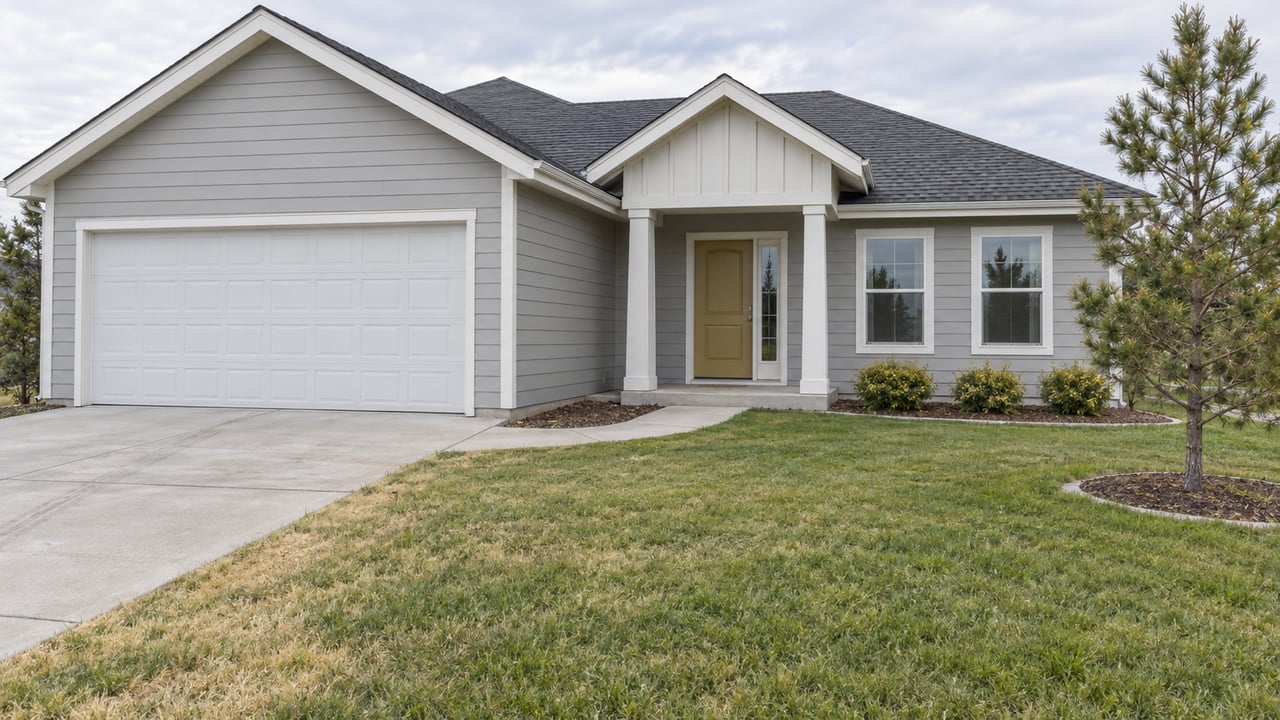
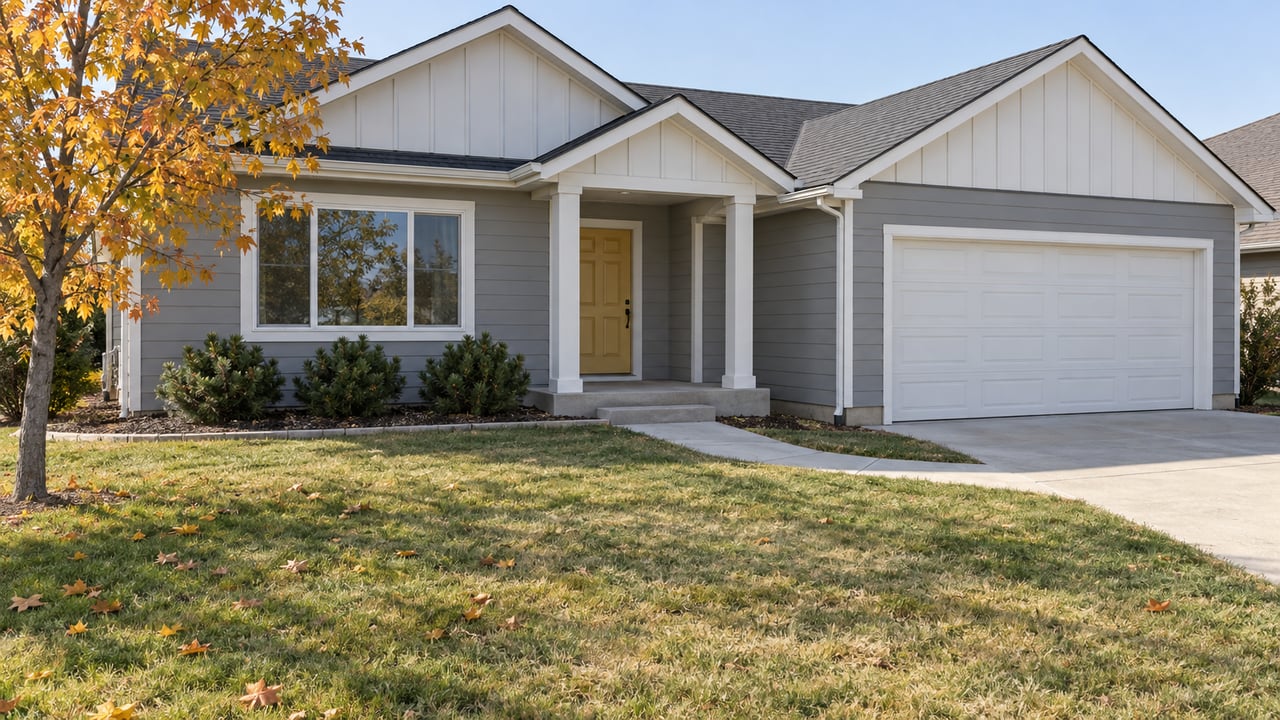
With a traditional single‑family home, you own the structure and the land. You are responsible for the exterior, the roof, and the yard unless a neighborhood HOA sets standards or manages certain shared items. This gives you the most control and privacy, but it also means you carry all maintenance.
Insurance and risk basics
- Condos typically require an HO‑6, or walls‑in, policy for your interior and personal property. The HOA carries a master policy for the building. The master can be bare walls or all‑in, which affects what your HO‑6 covers and how much coverage you need.
- Townhome insurance depends on the legal form and master policy. If the HOA covers the roof and exterior, you may need an HO‑6. If you are fee‑simple and responsible for the structure, you will likely need an HO‑3 or HO‑5 that covers the building and lot.
- Detached homes usually use an HO‑3 or HO‑5 to insure the structure, outbuildings, and property.
Two key risks to watch: master policy deductibles and special assessments. If reserves are low or major projects are due, the HOA may levy a special assessment. Review the master policy, deductible, reserve study, and recent budgets before you buy.
HOAs, fees, and maintenance in Missoula
Typical HOA responsibilities
- Condos: common areas, exterior walls, roof, parking lots, landscaping, snow removal, elevator maintenance, and any amenities. Some include utilities like water or garbage.
- Townhomes: varies by legal form. In condo‑form townhomes, expect coverage similar to condos. In fee‑simple setups, the HOA often handles shared roads, landscaping, snow removal, and stormwater systems, while owners handle their own structures and roofs.
- Detached homes: many have no HOA. Where an HOA exists, it may handle common areas, private road upkeep, snow plowing, or community standards.
HOA fees reflect what is included. Look closely at what the monthly fee covers, how the reserves are funded, and whether there is a history of special assessments.
Missoula’s climate and maintenance realities
Missoula’s winters can be cold with regular freeze‑thaw cycles. Roof condition, attic insulation, and gutter maintenance matter to reduce ice dam risk. Snow removal can be a major convenience factor, especially in developments where the HOA plows roads and sidewalks.
In the wildland‑urban interface around Missoula, many properties benefit from wildfire‑wise landscaping and defensible space. If you have a detached home, you will likely be responsible for brush clearing and ongoing yard work. Drainage and frost heave can also affect older foundations, sidewalks, and driveways, so inspect grading and site water management.
Price and value patterns in Missoula
While exact prices change over time, Missoula follows some consistent patterns:
- Condos: often the lowest entry price for central neighborhoods like downtown or near the University District. Expect lower exterior maintenance and increased walkability.
- Townhomes: mid‑range pricing and maintenance. Many are newer infill options with private entries and multi‑level layouts. On a per‑square‑foot basis, townhomes can compete with smaller single‑family homes in popular areas.
- Detached homes: usually command higher prices, especially in established neighborhoods like South Hills, Rattlesnake, and near Fort Missoula, or on larger lots with views. Variability is widest here, from modest bungalows to larger new construction.
Approximate ranges to frame expectations only:
- Condos: lower‑priced units often start in the low $200Ks to mid $300Ks. Central or newer buildings can run higher.
- Townhomes: commonly mid $200Ks to $500K and above, depending on size, finishes, and location.
- Detached homes: roughly $300Ks on the lower end to $700K to $900K and above for larger homes, acreage, or premium locations.
These are broad, illustrative ranges. For current numbers, review recent Missoula market reports, active MLS data, and neighborhood comps before making offers.
Long‑term costs and financing
Your monthly and annual costs
- Mortgage payment for principal and interest
- Property taxes based on local mill levies
- Homeowner insurance, which varies by property type and coverage
- HOA dues where applicable
- Utilities, including electric, gas, water, and sewer. Some condo communities include certain utilities in the monthly fee.
- Ongoing maintenance and minor repairs
Periodic and major expenses
- Roof replacement and major exterior work
- HVAC and water heater replacement
- Appliance replacement
- Possible HOA special assessments or capital contributions for condos and some townhomes
Financing differences to know
Lenders often apply additional project reviews for condos. Certain buildings must meet occupancy and guideline standards to qualify for common loan programs. Down payment expectations can be similar across property types, yet some condo projects may limit low down payment options.
Insurance details and HOA finances can also influence underwriting. If a building has high deductibles, low reserves, or pending litigation, your lender and insurer will look closely at risk. Get preapproved early and share HOA documents with your lender to avoid surprises.
Lifestyle fit in Missoula
If you want walkability and low exterior work
A condo or a condo‑form townhome near downtown or the University District may fit you well. You will likely trade a private yard for proximity to trails, cafes, and services, plus simpler exterior upkeep.
If you want a balance of space and simplicity
Townhomes offer private entries, multi‑level living, and often a small yard or patio. You get more independence than a condo, with less yard work than a typical detached house.
If you want privacy, storage, and a yard
A detached house often serves best. Neighborhoods like South Hills, Rattlesnake, or areas west of the city offer a range of lot sizes and home styles. You take on more maintenance but gain flexibility for hobbies, pets, and storage.
If you are downsizing
Condos and smaller townhomes minimize seasonal chores like snow removal and lawn care. Weigh the monthly HOA fee against the time and money you would spend maintaining a house. Review rules for rentals, pets, and any short‑term rental restrictions to make sure the community aligns with your plans.
What to check before you buy
Documents to request
- Seller property disclosure and a recent comparative market analysis for the neighborhood
- Preliminary title report and any easements
- Floodplain status and any flood insurance requirements
- For hillside or unique sites, any available energy or geotechnical reports
- For condos and townhomes: full HOA declaration, bylaws, and CC&Rs, current budget and reserve study if available, recent meeting minutes, details on any litigation, assessments, or delinquencies, rental and pet rules, and the master insurance policy summary with deductibles
- For fee‑simple townhomes and houses: confirm who maintains the roof, siding, and shared structures; obtain septic and well reports if applicable
Inspections to schedule
- General home inspection covering structure, roof, electrical, plumbing, and HVAC
- Pest inspection for wood‑destroying organisms
- Sewer scope for older lines, and septic inspection if relevant
- Flood elevation certificate if the property sits in a mapped flood zone
- Wildfire defensible space or landscape review for homes near the wildland‑urban interface
Local verifications that help
- Check parcel data and property tax history with the county assessor
- Confirm zoning, permits, and building history with local planning and development offices
- Review city or county floodplain maps and stormwater rules
- Get sample utility bills from providers
- Speak with local lenders and insurance agents for preapproval and policy quotes, especially for condo master policy impacts on HO‑6 pricing
- Review recent neighborhood sales through the MLS and association market reports
Quick decision guide
Use these prompts to narrow your choice:
- Budget and monthly carry. What payment and fee level feels comfortable if HOA dues rise or insurance premiums change?
- Maintenance tolerance. Do you want to handle a roof and yard, or pay an HOA to manage exterior work?
- Location priorities. Do you prefer walkability near downtown or the University, or more space in areas like South Hills or Rattlesnake?
- Storage and parking. Will you need a garage, workshop, or extra storage that a condo may not provide?
- Rules and flexibility. Are you comfortable with community rules around pets, rentals, and exterior changes?
- Resale horizon. How long will you stay, and how does the property type fit the likely buyer pool when you sell?
Ready to compare properties?
Whether you are a first‑time buyer or downsizing for a simpler lifestyle, you deserve clear guidance tailored to Missoula neighborhoods and your goals. If you want help weighing HOA documents, estimating long‑term costs, and matching properties to your lifestyle, connect with a local advisor who understands both the numbers and the nuance. Reach out to Cameron Hahn to talk options, review comps, and map your next steps.
FAQs
What does an HOA usually cover for Missoula condos and townhomes?
- Typically, condos cover common areas, exterior walls, roofs, landscaping, snow removal, and any amenities, while townhome coverage varies by legal form and recorded documents.
How do HOA fees compare with owning a small house?
- HOA fees replace some exterior maintenance and sometimes utilities, while a small house has fewer dues but more direct costs for roofs, siding, and yard care.
Are there financing restrictions on Missoula condos?
- Some condo projects must meet lender guideline standards for occupancy, reserves, and insurance; your lender will review the project before final approval.
How do insurance needs differ by property type?
- Condos often use HO‑6 policies for interiors, townhomes vary by HOA and legal form, and detached homes typically use HO‑3 or HO‑5 that cover the structure and lot.
What Missoula‑specific risks should I budget for?
- Plan for snow and ice management, roof and gutter care due to freeze‑thaw cycles, wildfire‑wise landscaping in WUI areas, and site drainage considerations.
Where can I verify taxes, zoning, and flood status?
- Check with the county assessor for taxes, local planning and development for zoning and permits, and city or county floodplain maps for flood risk and requirements.