Trying to decide between living steps from Main Street or settling into a newer neighborhood on Bozeman’s west side? You are not alone. Each area offers a distinct mix of housing, commute patterns, parks, and day-to-day convenience. In this guide, you will learn the key tradeoffs so you can match your priorities to the right side of town. Let’s dive in.
Downtown vs west: quick context
Downtown centers the city’s restaurants, shops, culture, and events. You will see more condos, townhomes, and historic single-family homes on smaller lots, with strong walkability and quick access to MSU and arts venues. The west side features many newer subdivisions, parks, schools, and retail clusters that make daily errands simple. It tends to offer more single-family options and easier parking.
Bozeman’s housing market remains elevated. Recent market snapshots show typical home values in the high six figures. For up-to-date pricing by property type and neighborhood, check current MLS data. The valley has seen steady construction, yet demand keeps pressure on prices.
Housing types and inventory
Downtown housing
If you prefer compact, walkable living, downtown delivers. Inventory leans toward condos, lofts, and historic single-family homes, often on smaller lots. Several near-downtown areas fall within registered historic districts, including Bon Ton and Cooper Park, where you will find Queen Anne, Colonial Revival, bungalow, and Craftsman styles. Review the city’s overview of these districts for architectural and historical context through the Historic Districts page. Expect fewer new single-family subdivisions and more multifamily or mixed-use infill.
To see how neighborhoods relate to one another, the city’s Neighborhoods Program map is a helpful visual reference.
West-side housing
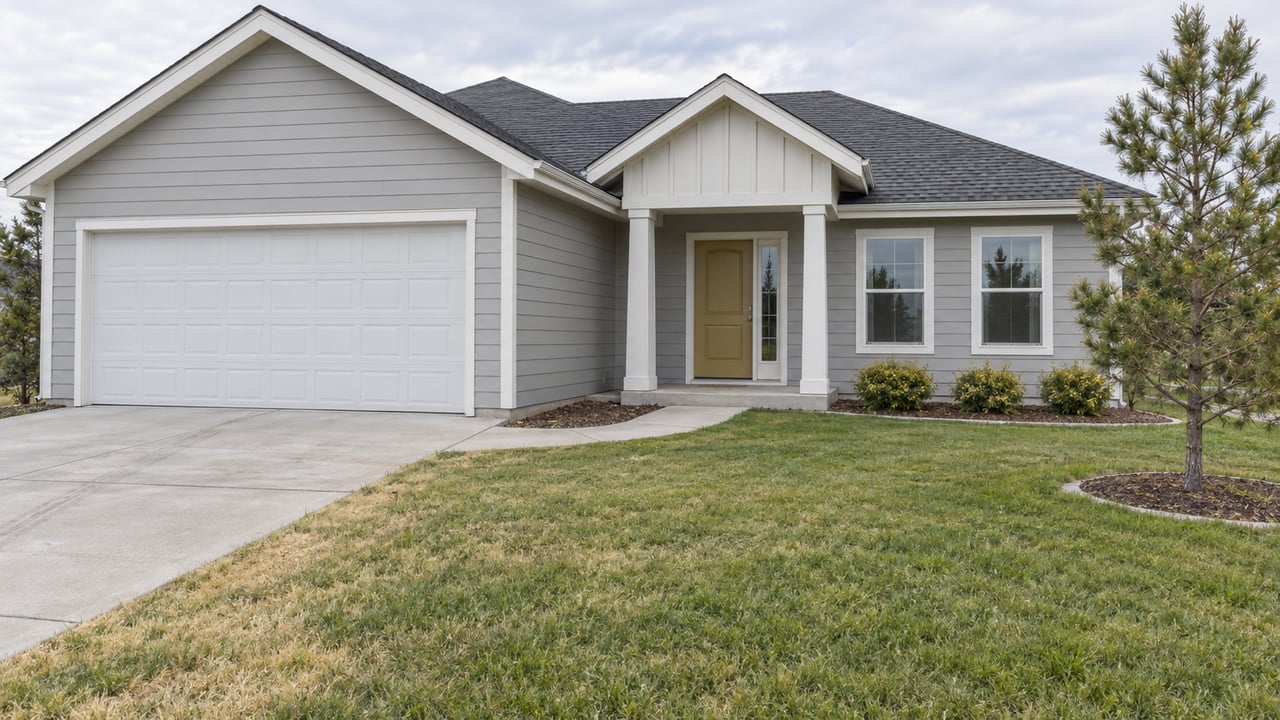
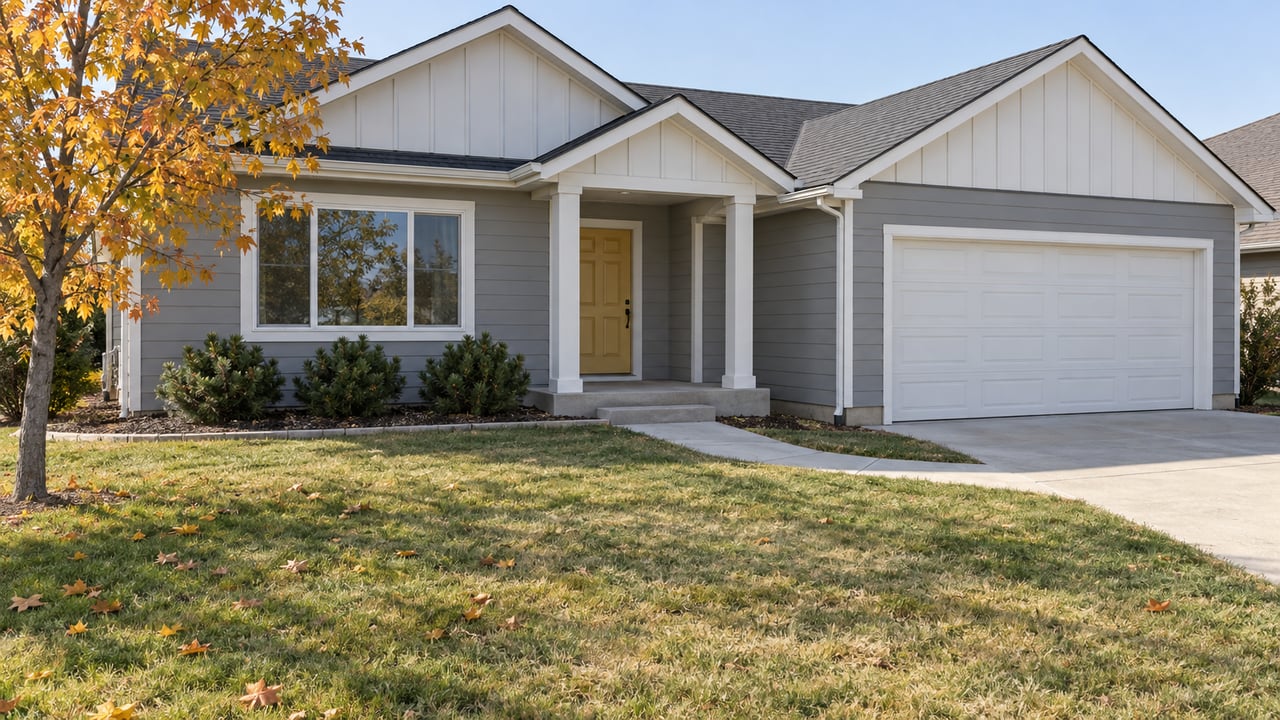
The west side has been the focus for much of Bozeman’s recent growth. You will find master-planned subdivisions, production-built single-family homes, and an increasing number of multifamily projects. Communities emphasize neighborhood parks, trails, and ponds. For example, the Lakes at Valley West was designed around water features and open space.
Building pace and supply
Regional research highlights sustained price pressure and low vacancy in recent years, driven by both demand and construction dynamics. For historical context, review the University of Montana BBER’s Gallatin Valley Housing Report. Local reporting on the 2025 update noted 1,706 new housing units permitted in 2024, with 867 in the city of Bozeman, a sign of strong in-city supply growth, much of it on the west side. You can see that permitting context in this KULR report on the 2025 findings.
Lifestyle and amenities
Downtown culture and walkability
Downtown is Bozeman’s cultural core. Main Street hosts year-round events like Art Walks, Music on Main, and the Christmas Stroll, with a dense mix of restaurants, boutiques, and galleries. Explore what is happening through the Downtown Bozeman site and see anchors like the Emerson Center for the Arts & Culture.
Walkability stands out here. While Bozeman’s citywide Walk Score is moderate, the downtown area scores significantly higher, which means you can leave the car at home for many errands. Check the Downtown Bozeman Walk Score to gauge everyday convenience.
West-side shopping and schools
On the west side, daily needs cluster along West Main and Huffine near Gallatin Valley Mall and the Four Corners corridor. Big-box retail, groceries, and a growing mix of local restaurants make it easy to keep errands close to home. Get a sense of the retail node by exploring the Gallatin Valley Mall overview.
West-side development has included newer elementary and middle schools, along with Bozeman’s second high school opening in 2020. Attendance boundaries can shift, so confirm current school assignments directly with the district before you buy. Neighborhoods here often integrate parks, playgrounds, and open space within short walks.
Mobility and commute
Typical drive times
Bozeman’s average commute is relatively short compared with larger metros, at roughly 15 to 16 minutes according to U.S. Census QuickFacts. In practical terms, many intracity trips are brief. Peak traffic on Huffine, West Main, and 19th Avenue can add time, so expect an 8 to 20 minute range for most downtown-to-west drives depending on origin and time of day.
Transit and trail options
Bozeman’s Streamline system offers fare-free fixed routes in town, plus weekday connections to nearby communities. It is a realistic option for some commutes, especially for students and workers with consistent schedules. You can learn about Streamline’s zero-fare model and regional context through this overview mentioning Streamline’s service.
If you prefer to walk or bike, the city’s trail network is a strength. Downtown connects directly to the Gallagator, Sourdough, and Peet’s Hill trails, forming part of the “Main Street to the Mountains” system. These trails make running, biking, and dog walks simple without getting in the car. Explore popular routes on the Bozeman hiking trails guide.
Outdoor access and parks
Downtown trails at your doorstep
Living near downtown puts you close to in-town trailheads. Peet’s Hill and the Gallagator corridor are go-to options for quick outings and after-work runs. They also connect you toward Sourdough and other paths, helping you reach parks and open space right from your front door.
West-side parks and play spaces
If you want larger parks with more programming, the west side stands out. Gallatin County Regional Park spans roughly 87 to 100 acres and includes ponds, a popular sled hill, a large dog park, and the Dinosaur Playground. The park’s backstory and amenities are described by the Gallatin Valley Land Trust in this feature on the regional park. Nearby, Bozeman Ponds and other neighborhood parks add ballfields, paths, and water features that anchor many subdivisions. You still have quick driving access to Hyalite and forested trail systems from either side of town.
Neighborhood short list
Use this list to zero in on areas to tour. For boundaries and associations, see the city’s Neighborhoods Program map.
Near-downtown picks
- Bogert Park and Library area. Very close to Main Street with quick trail access at Peet’s Hill. Mix of apartments and older homes.
- Bon Ton and Cooper Park historic districts. Tree-lined streets and early 20th-century architecture. Review the city’s Historic Districts overview if you are weighing historic character.
- Midtown and north of Main. Transition areas with more mixed-use and infill, near shops and MSU.
West Bozeman picks
- Valley West and Lakes at Valley West. Master-planned neighborhoods with ponds, trails, and commons. Learn about the design intent at the Lakes at Valley West project page.
- Flanders Mill, Harvest Creek, and Baxter Meadows. Rapidly built areas with parks and newer construction near Gallatin County Regional Park and the west-side high school. Verify current school assignments directly with the district.
- Bozeman Ponds and Regional Park area. Neighborhoods near major in-town parkland, dog-friendly amenities, and recreation fields.
- Four Corners and the Huffine corridor. Mixed residential and convenient for shopping or commuting toward Big Sky, Belgrade, or out-of-town routes.
Price and value takeaways
- Downtown locations often command higher prices per square foot, especially for newer condos or units with views and direct access to Main Street amenities. Historic homes vary widely based on condition and updates.
- On the west side, you will often find more finished square footage and yard space for similar or lower entry prices than some downtown options. Newer construction and master-planned layouts are common value drivers.
- For a confident comparison, use current neighborhood comps and active inventory. For historical context on pricing and pressure from supply and demand, review the BBER’s Gallatin Valley Housing Report.
How to choose your side
- List your top three priorities. Examples include walkability, newer construction, larger yard, fast commute, or close proximity to parks.
- Test your commute during peak times. Drive your likely route on Huffine, West Main, or 19th to experience traffic windows firsthand.
- Walk the daily loop. In each short-listed neighborhood, spend 30 to 45 minutes walking or biking to nearby parks, shops, or trailheads to feel day-to-day convenience.
- Compare like-for-like homes. Weigh a downtown condo or historic bungalow against a newer west-side single-family by looking at cost per square foot, renovation needs, and HOA considerations.
- Verify details that can change. Confirm school attendance zones and neighborhood association guidelines before you make an offer.
Choosing between downtown and the west side comes down to what you want most from everyday life. If you value walkability, arts, and quick trail access, downtown makes sense. If you prefer newer homes, more space, and large in-town parks, the west side is a strong fit. When you are ready to narrow your list and tour with a plan, reach out to schedule a local consult with Cameron Hahn.
FAQs
Is West Bozeman generally more affordable than Downtown Bozeman?
- Often you will see more finished square footage and yard for the price on the west side, while downtown can command higher price per square foot for location and amenities. Compare current MLS comps for a clear picture.
How long does it take to drive between West Bozeman and downtown?
- Plan on 8 to 20 minutes depending on your exact start and end points and the time of day. Citywide, the average commute is about 15 to 16 minutes per U.S. Census QuickFacts.
What are the lifestyle differences between Downtown and West Bozeman?
- Downtown concentrates restaurants, boutiques, and arts venues with strong walkability and frequent events. The west side clusters retail, newer neighborhoods, and large in-town parks for easy errand runs and recreation.
How walkable is Downtown Bozeman compared with the west side?
- Downtown’s core blocks are substantially more walkable than most suburban areas. Check the Downtown Bozeman Walk Score and explore events and businesses on the Downtown Bozeman site.
Where will I find the best park access without driving?
- Downtown residents can walk to the Gallagator and Peet’s Hill trailheads for quick outings, highlighted on this Bozeman trails guide. On the west side, large spaces like Gallatin County Regional Park offer ponds, fields, and a dog park, described by GVLT in this regional park feature.