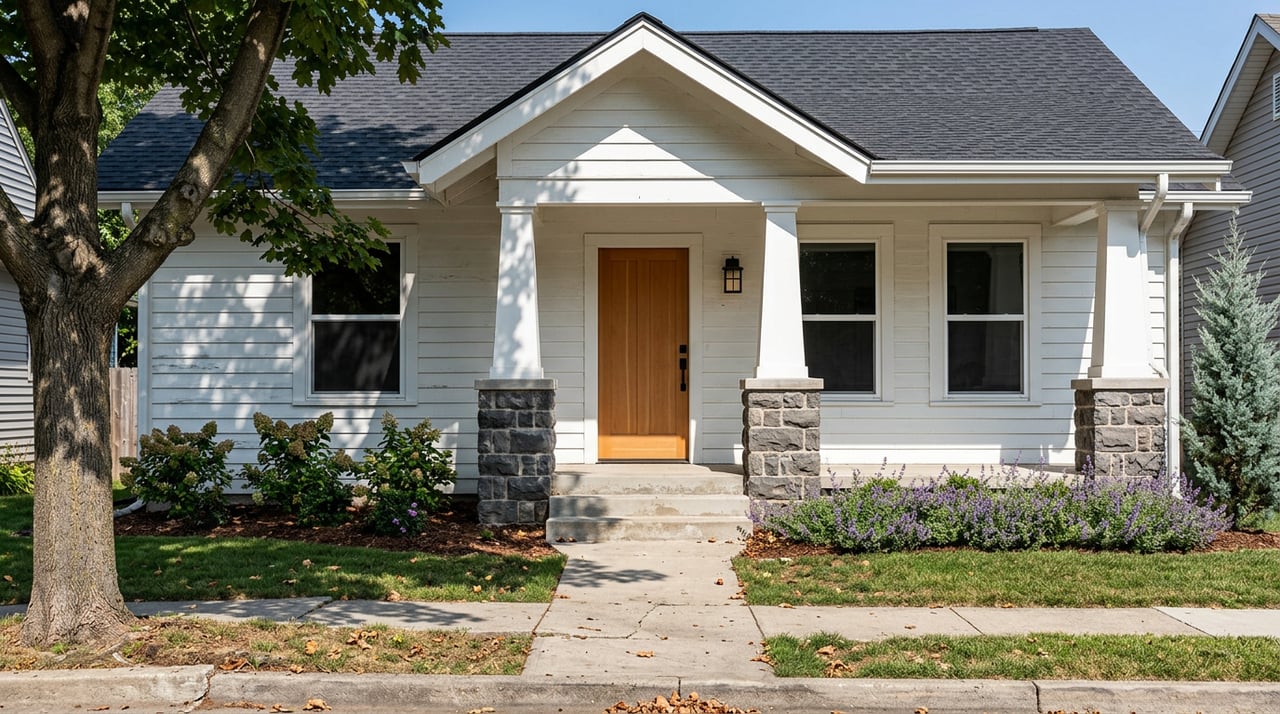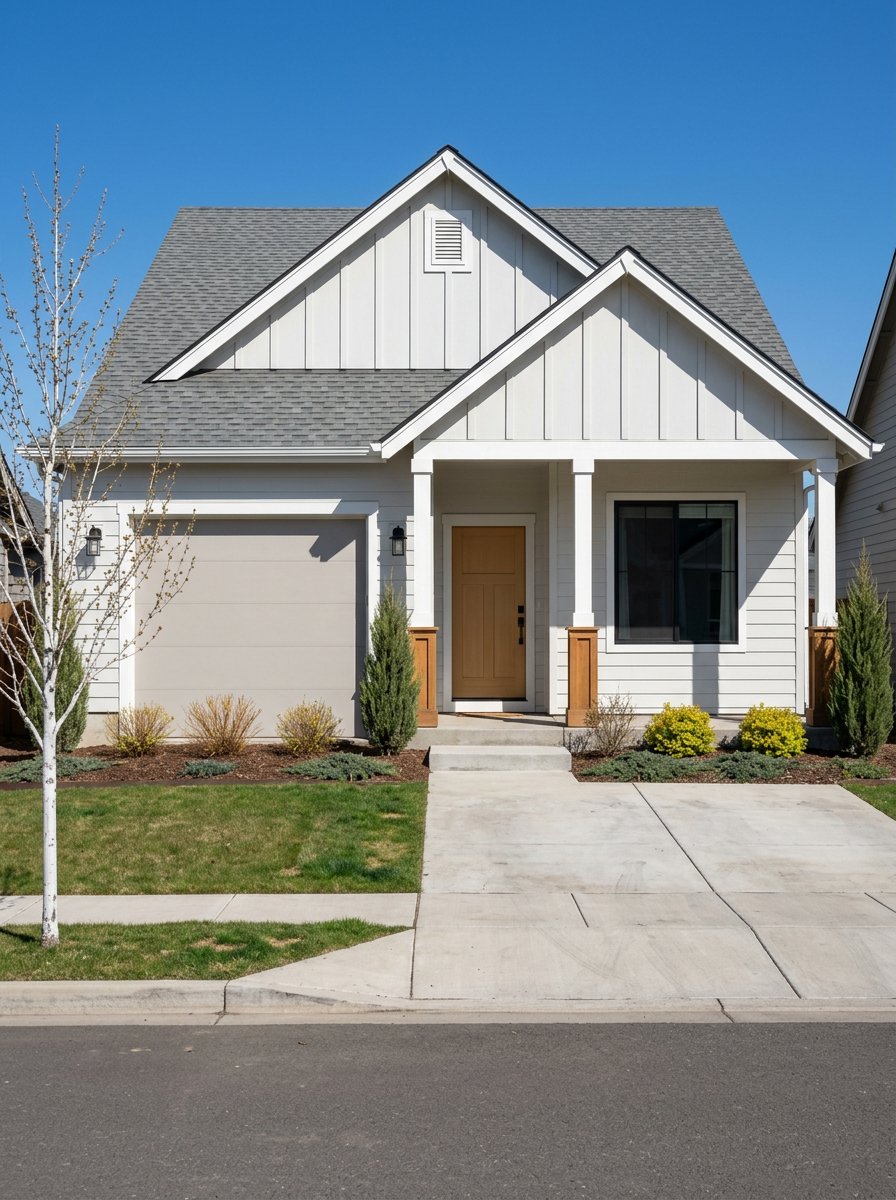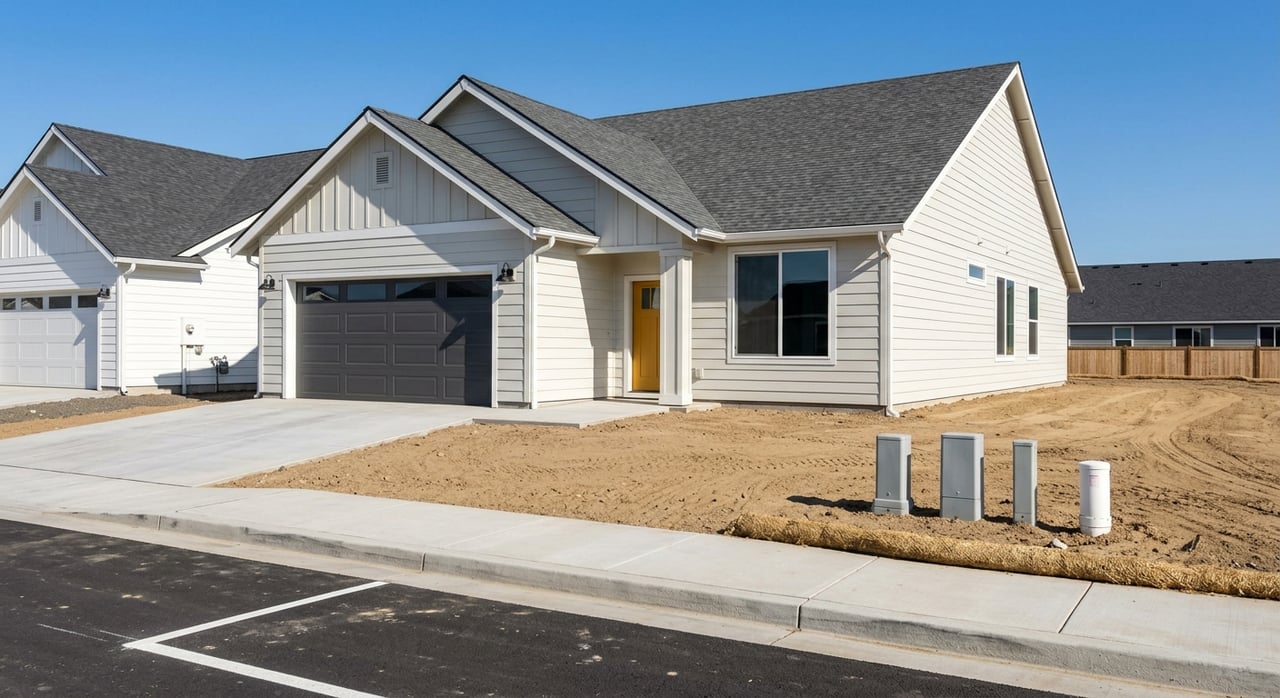
Thinking about planning a new subdivision near Helena? It can be tempting to focus on lot counts, home plans, and pricing first, but in this market, the early decisions that matter most usually happen before any layout is finalized. If you want a project that matches local demand, fits the right approval path, and launches with fewer surprises, you need to start with jurisdiction, infrastructure, and submarket reality. Let’s dive in.
Start With the Jurisdiction
One of the first questions to answer is simple: Is your parcel inside Helena city limits, in Lewis and Clark County, or in an area where annexation may be part of the plan? That single answer shapes your review process, zoning standards, service expectations, and timeline.
Inside Helena, subdivision and zoning rules are in transition as the city implements the Montana Land Use Planning Act. The city established a new Planning Commission and has said it has until May 17, 2026 to fully implement the act through the Helena Forward process, which includes updates to the land use plan plus draft zoning and subdivision ordinances. You can review that framework through the City of Helena planning updates.
For projects in the city, subdivision review generally follows a two-step process: preliminary plat and final plat. The city also requires a pre-application for all major land use activities, and a major subdivision is defined as more than five lots from a single lot. The city’s planning information page is the key starting point for process details, zoning categories, and mapping.
If your parcel is in Lewis and Clark County instead, the county also uses a preliminary plat and final plat process and requires a pre-application meeting. In the county, a major subdivision is six or more lots, which means the difference between five and six lots can materially affect review timing and hearing requirements. The county’s subdivision review page is the best source for that path.
Understand Why Helena Is Really Two Markets
Helena is not one uniform development market. The city core and the surrounding county ring function differently, and that difference should influence your lot mix, product type, and pricing strategy.
According to U.S. Census QuickFacts for Helena, Helena’s 2024 population estimate was 34,729, while Lewis and Clark County reached 75,129. Household size also differs, with Helena at 2.04 persons per household and the county at 2.30, which suggests stronger demand in the city for smaller household-oriented product and more room in county submarkets for larger homesites or move-up offerings.
Ownership patterns tell a similar story. The city owner-occupancy rate is 52.6%, while the county owner-occupancy rate is 70.1%, based on Census housing data. That gap helps explain why a subdivision near the city edge may perform very differently depending on whether it competes more with in-town neighborhoods or with owner-heavy valley submarkets.
A nearby example is Helena Valley West Central, where median household income is $90,082 and owner occupancy is 85.2%, according to Census QuickFacts for Helena Valley West Central. In practical terms, outer-Helena subdivisions may support larger lots and move-up single-family homes more readily than a project aimed at city-core demand.
Check Zoning Before You Sketch the Plat
It is easy to lose time designing a layout that does not fit the zoning map, density pattern, or service expectations of the jurisdiction. That is why zoning should be checked early, before lot widths, product counts, or model-home decisions are locked in.
In Helena, zoning includes residential, commercial, and manufacturing districts, with lower-, medium-, and higher-density residential categories plus overlays. Because these districts directly affect lot mix and site design, your first pass should include a zoning map review alongside the subdivision path. The city’s planning information resources outline those categories.
In Lewis and Clark County, zoning carries added importance in areas such as Helena Valley, the Fort Harrison Rural Growth Area, and the Fort Harrison Urban Growth Area. The county says these Part 2 zoning systems are designed to respond to issues like water, wastewater, roads, fire protection, and flooding. You can review the structure on the county’s zoning page.
The county’s updated Growth Policy, approved in July 2025, is non-regulatory but still important. It helps guide decisions about housing, infrastructure, natural resources, and land use across the county outside Helena and East Helena, and its Future Land Use Map can help you test whether your concept aligns with how the area is being planned.
Plan for Annexation and Services Early
For land near Helena’s edge, annexation may be part of the project strategy, especially if city services are needed. This is where subdivision planning becomes more than a platting exercise.
The city notes that annexation by petition is the most common method for properties seeking city services. It also states that undeveloped annexations can require a development agreement before building permits are issued, that pre-zoning is required before annexation, and that all public improvements must meet city standards. Those details are outlined in the city’s planning and annexation guidance.
That means you should evaluate utility access, public improvement obligations, and service-area requirements before you finalize pricing assumptions. A site that looks straightforward on a map can become a very different project once annexation, standards compliance, and infrastructure costs are added.
Do Not Underestimate Water and Floodplain Issues
Near Helena, water and flood conditions are not side issues. They are central development questions that can affect entitlement risk, engineering scope, and buyer perception.
Lewis and Clark County’s Water Quality Protection District serves the Helena Valley and surrounding areas and tracks groundwater and related water issues. At the same time, the county Floodplain Program requires a permit before developing in mapped floodplain areas and regulates more than 30 flood-related maps. The county also notes that peak flood season is May to June and references major flood events in 1975, 1981, 1996, 2011, and 2018. These details are available through the county’s Water Quality Protection District information and Floodplain Program.
Before you settle on lot layout, road placement, or final pricing, confirm whether the parcel is within a mapped floodplain, whether drainage planning will affect usable lot area, and whether the site falls within the Water Quality Protection District. These checks can help you avoid redesigns later in the process.
Match Product Mix to the Submarket
A subdivision near Helena should be designed for its actual submarket, not for a broad idea of what sells “in Helena.” Pricing and demand can vary sharply depending on location.
The data supports that approach. Helena’s median household income is $71,036, while Lewis and Clark County’s is $78,237, and median owner-occupied home values are $387,300 in Helena and $393,500 countywide, according to Census QuickFacts housing and income data. Educational attainment is also relatively high, with bachelor’s degree rates of 50.6% in Helena and 43.0% countywide, based on Census Reporter.
That does not create a one-size-fits-all formula, but it does support a practical takeaway: product should be tuned by submarket. In and near the city core, smaller lots, efficient floor plans, and lower-maintenance design may align better with smaller households. In more owner-heavy valley areas, larger lots and move-up single-family product may make more sense.
Current listing data also shows why pricing needs a hyperlocal lens. Realtor.com’s Helena market overview reports neighborhood-level listing medians ranging from roughly $248,500 in Downtown Helena to $599,900 in West Helena Valley and $899,900 in Westside Helena. That spread is too wide to ignore when planning lot sizes, home specs, and release sequencing.
Phase Releases to Fit Absorption
Even in an active market, absorption is not automatic. A smart release plan can help preserve pricing discipline, reduce carrying risk, and keep your product aligned with real buyer demand.
County sales data shows a market that is active but not extremely fast. In Lewis and Clark County, 2024 single-family sales were flat year over year at 716, while the median sales price rose from $464,950 to $485,000 and average days on market increased from 61 to 74, according to the Montana Realtors Digest. Attached product had much smaller volumes, which can mean thinner absorption for condos and townhomes.
Current listing-market trackers point in a similar direction. Realtor.com’s Helena overview reported 278 homes for sale, a median listing price of $534,900, and a median 53 days on market. In that environment, phased major subdivisions can make sense, especially since the city explicitly allows phased major subdivisions as part of its process framework.
A phased plan lets you test pricing, refine spec levels, and respond to buyer feedback without overloading the market all at once. It can also help coordinate model-home timing with entitlement milestones and infrastructure delivery.
Use Local Data to Shape Launch Strategy
A successful subdivision launch near Helena needs more than signage and a few listings. It needs a clear story for the specific buyer you are trying to reach.
The local data suggests that different buyers may respond to different value points. Smaller-household city demand may prioritize efficient layouts and lower-maintenance living, while outer-Helena and valley submarkets may support more traditional move-up messaging tied to lot size, garage space, and overall square footage. The right strategy depends on where your project sits within the wider Helena market.
This is also where a local real estate advisor can add value beyond listing homes. Pricing across Helena-area submarkets is uneven, absorption speeds vary, and the best release timing often depends on what nearby competing inventory is doing right now. For builders and developers, that means market knowledge should shape both pre-launch planning and ongoing sales decisions.
Why Builder Representation Matters
If you are planning a subdivision near Helena, you need more than a sales outlet at the end of the process. You need guidance that starts early and stays grounded in local data.
That can include pressure-testing lot mix, helping position model homes, advising on release timing, and aligning price tiers with the submarket your project actually serves. It can also mean translating broad market numbers into on-the-ground strategy for a specific location near Helena, East Helena, Clancy, or the Helena Valley.
With new-construction and developer representation experience, Cameron Hahn helps builders and developers think through how a project fits the market before it is time to sell. If you are evaluating land, planning a phased release, or preparing a new community for market, a conversation early in the process can help you make sharper decisions.
FAQs
What is the first step when planning a subdivision near Helena?
- Start by confirming whether the parcel is inside Helena city limits, in Lewis and Clark County, or in an annexation area, because that determines the review process, zoning path, and service requirements.
What counts as a major subdivision in Helena versus Lewis and Clark County?
- In Helena, a major subdivision is more than five lots from a single lot, while in Lewis and Clark County, a major subdivision is six or more lots.
What should a builder check before designing lots near Helena?
- Before designing lots, check zoning, subdivision review requirements, utility and service expectations, floodplain status, water-related issues, and whether annexation or pre-zoning may be required.
Why does submarket pricing matter for Helena-area subdivisions?
- Helena-area listing prices vary widely by location, so lot sizes, product type, and price tiers should be based on the specific submarket rather than a citywide average.
Should a new subdivision near Helena be phased?
- In many cases, yes, because local sales and days-on-market data suggest steady demand but not instant absorption, which makes staged releases a practical way to manage inventory and pricing.
How can a local real estate advisor help with a Helena subdivision launch?
- A local advisor can help with pricing, lot mix strategy, release timing, model-home positioning, and community-level market insight based on how different Helena-area submarkets are performing.