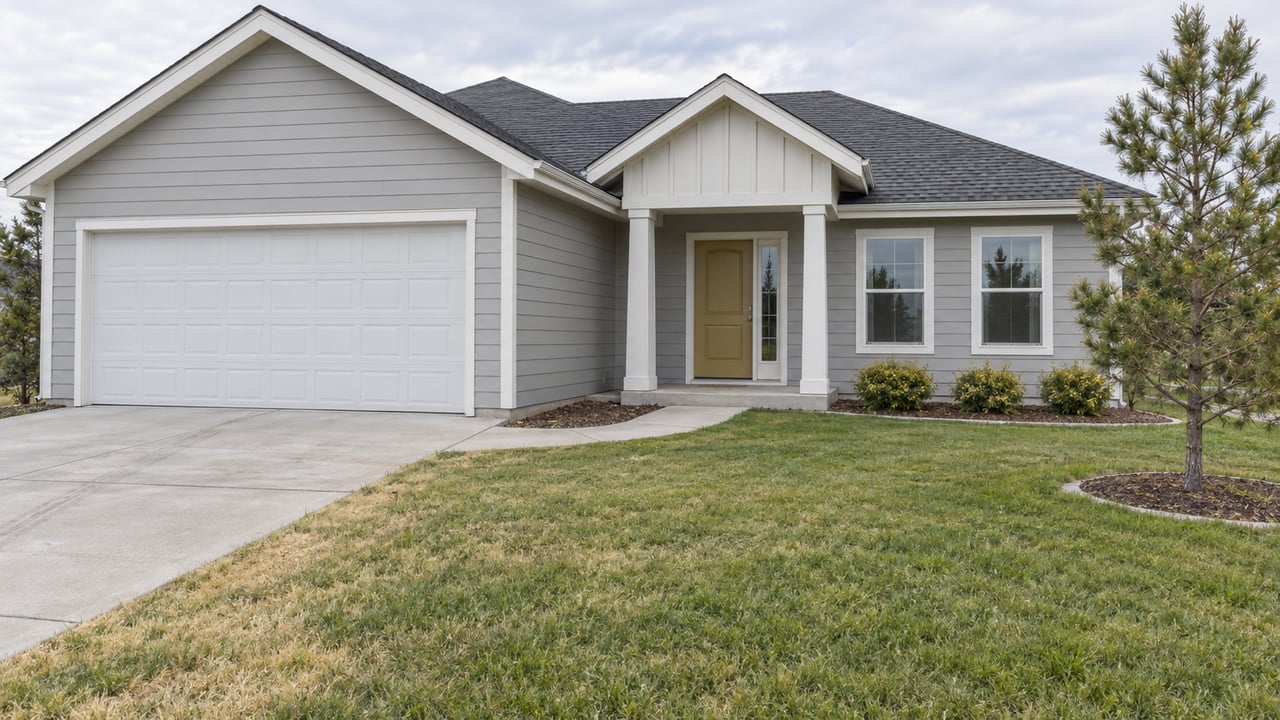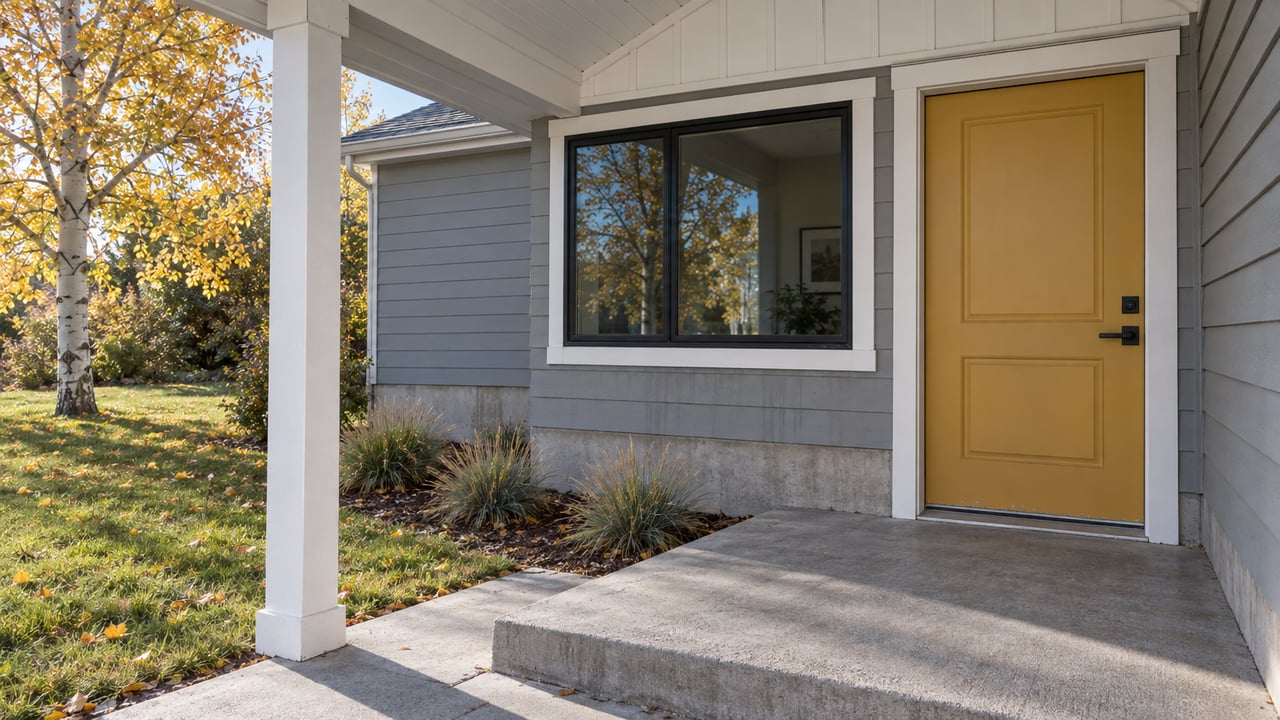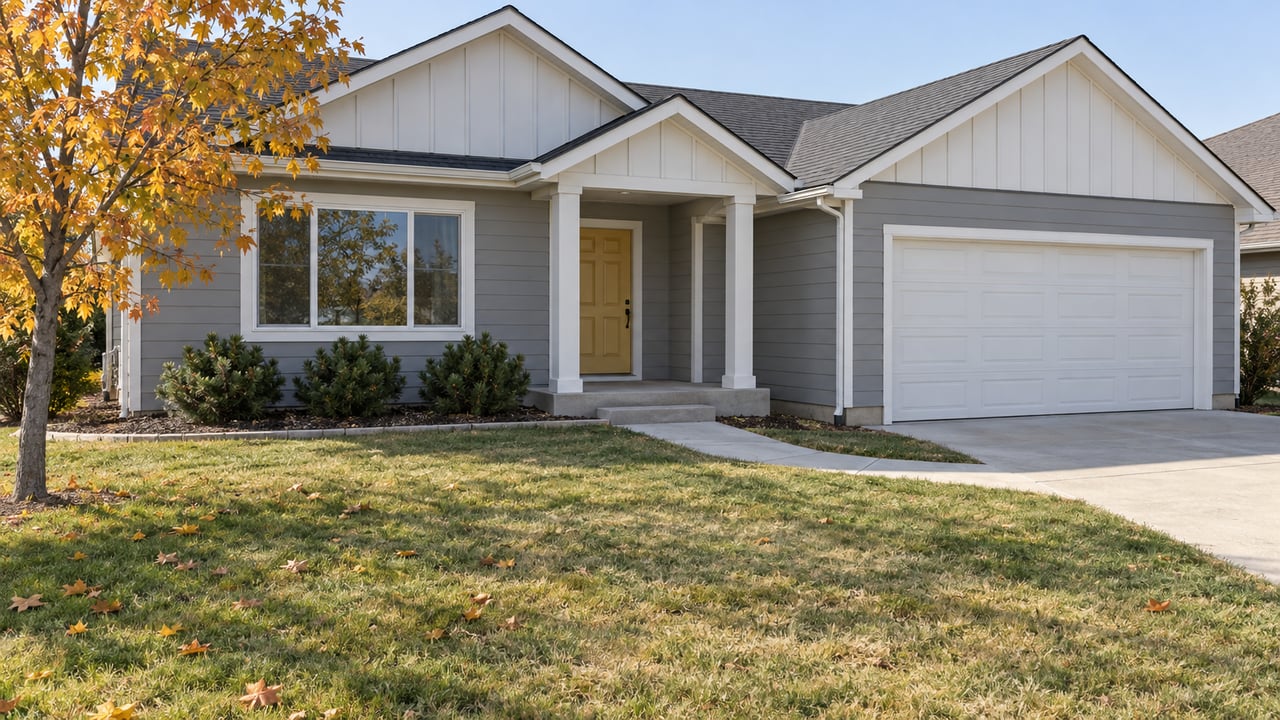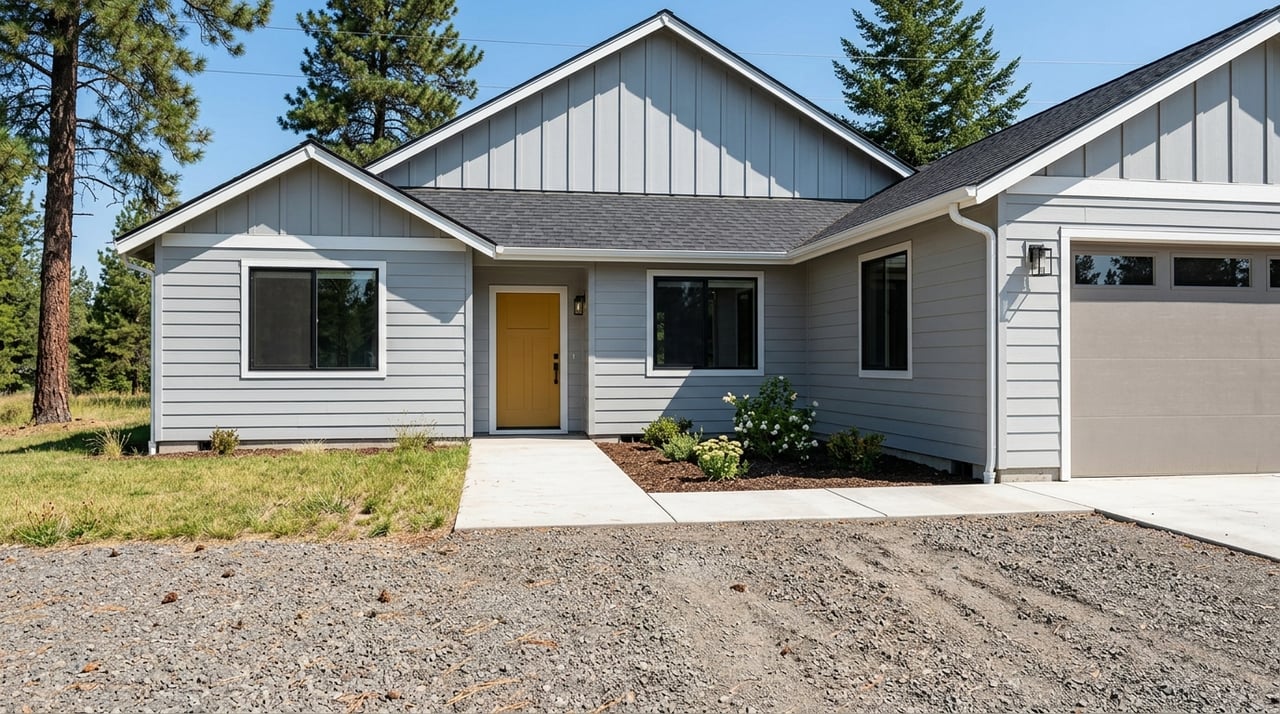
Wondering why some Clancy acreage listings get strong interest while others sit? In this market, buyers are not just evaluating a house. They are evaluating the land, the view, the access, the water setup, and how confidently the property is presented. If you are planning to sell acreage or a view property in Clancy, this guide will help you understand what buyers look for, what documents matter most, and how to position your property for a stronger sale. Let’s dive in.
Why Clancy acreage sells differently
Clancy is not a plug-and-play suburban market. Jefferson County’s 2025 Growth Policy describes Clancy as one of the county’s unincorporated communities that has seen rapid development as Helena has expanded south, and it also notes that residential development is concentrated near Clancy.
That matters because acreage and view properties are highly site-specific. Buyers tend to focus on privacy, the way the home sits on the land, the line of sight from major rooms and outdoor spaces, and how the parcel functions day to day. Two homes with similar square footage can create very different buyer reactions based on the setting alone.
Jefferson County also has a landscape shaped by valleys, forested mountains, and hilly grasslands. In a place like Clancy, the property is often a package deal of home, topography, road access, utility setup, and scenery. That is why selling strategy needs to go beyond a standard residential listing approach.
What buyers expect upfront
Today’s acreage buyers usually want answers before they make an offer, not after. That is especially true in Montana because the state’s 2023 seller disclosure law requires sellers of residential real property to disclose adverse material facts they actually know.
That includes issues related to water service, wastewater treatment, utility connections, well and septic conditions, unpermitted additions, hazardous materials, pests, settling, soil, standing water, and drainage. For a Clancy acreage listing, that means your preparation should start well before the home goes live.
A polished listing helps, but documentation builds trust. When buyers see that you are organized and transparent, they are more likely to feel comfortable moving forward.
Water and septic are central
Jefferson County’s growth policy says Clancy is currently served by individual onsite private wells and septic systems. It also notes that the community has faced water-quality concerns, including elevated nitrates and uranium in some well testing, while the Clancy Water and Sewer District is exploring a public water supply system.
For sellers, this means water details should be easy to explain. Buyers will want to know the water source, well age, any treatment equipment, available water-quality testing, and whether any district service applies to the property.
Septic records matter too. Jefferson County Environmental Health issues septic permits and publishes septic requirements, including separation distances from wells, streams, property lines, water lines, and other site features. If you can provide septic permits, installer information, and pumping or repair history, you can often reduce friction during due diligence.
Water rights need separate proof
Acreage buyers often ask whether irrigation, livestock use, springs, or other water uses come with the property. According to Montana DNRC, a well log is not a water right, and a recorded water right is required for the majority of water uses.
That is a key point when selling land with agricultural or outdoor-use appeal. If your property includes a water right, or if a buyer may assume one exists, it is worth confirming the record early so the listing package is clear and accurate.
Boundaries and access need clarity
Rural buyers want confidence about where the property begins and ends. Jefferson County GIS states that its maps are for reference only, not official records, and may be off by as much as sixty feet.
That is why surveys, recorded easements, and legal descriptions carry real weight. The Jefferson County Clerk and Recorder preserves deeds, subdivisions, and surveys, so pulling those records before listing can help prevent confusion later.
Address accuracy also matters more than many sellers expect. Jefferson County notes that rural addresses should be verified directly because emergency services rely on the correct address. If your property has a long driveway, shared access, or a nonstandard approach, clear directions and records are part of smart preparation.
How to market the view and the land
A beautiful setting does not sell itself if buyers cannot understand it online. National Association of Realtors research found that 81 percent of buyers rated listing photos as the most useful feature in online search.
That is especially relevant in Clancy, where the outdoor setting is often one of the property’s biggest selling points. Your marketing should help buyers understand not just that there is a view, but what kind of view it is, where it is visible from, and how the land supports daily living.
Show the full property story
One hero shot is not enough for acreage. Stronger presentations usually show the approach to the home, the home site itself, nearby tree lines, slope, outdoor living areas, and the direction of the view.
That broader visual story matters even more because county parcel maps are not survey-grade. Aerial images, map references, and survey-backed visuals can help buyers understand the relationship between the home, the land, and neighboring parcels.
Stage outside, not just inside
NAR research also shows that staging helps buyers visualize a future home, and outdoor spaces have become increasingly important gathering areas. On acreage, outdoor staging is really part of land-use marketing.
That might mean defining a deck as a sunset-view space, setting up a firepit area, clarifying where the yard transitions to usable acreage, or showing how the site works for parking, recreation, or equipment access. Buyers need help seeing how the land lives, not just how it looks.
Pricing acreage and view property correctly
Pricing a Clancy acreage property takes more than pulling a few nearby home sales. Buyers are comparing the house, but they are also assigning value to the site.
That usually means looking at both improved-home sales and land sales, then adjusting for factors like access, utility status, water setup, water rights, and view appeal. If pricing ignores those details, the property can either look overpriced or raise questions that slow momentum.
In a market where the site carries so much value, pricing has to feel grounded and intentional. A realistic strategy tends to create more confidence than an aspirational number unsupported by the land’s specifics.
Documents that help properties sell faster
The strongest acreage listings are scenic and specific. Before you list, it helps to gather the documents buyers are likely to request.
Here is a practical pre-listing checklist:
- Seller disclosure information for known material facts
- Well details, water-quality testing, and treatment equipment information
- Septic permit records and service history
- Water-right documentation, if applicable
- Survey, legal description, and recorded easement information
- Accurate property address and access instructions
- Road maintenance details for year-round use
- Any wildfire mitigation work or defensible space documentation
- Planning or permit records if subdivision, floodplain, or site issues apply
When this information is assembled early, your listing feels more credible. It also helps your agent market the property with fewer unknowns.
Wildfire and road access are real buyer questions
In the Clancy area, buyers often look closely at road conditions and wildfire exposure. Jefferson County Road and Bridge maintains about 775 miles of road through snow removal, grading, culvert work, and bridge maintenance, which makes access and driveway conditions a meaningful part of the ownership picture.
Jefferson County’s Office of Emergency Management identifies wildfire as the top local hazard. DNRC says landowners who reduce fuels and maintain wildfire risk reduction practices improve a home’s odds of surviving a wildfire.
For sellers, visible mitigation work can make a difference. If you have created defensible space, reduced fuels, or improved access for emergency response, those details should be documented and included in the listing conversation.
Why preparation creates leverage
Acreage and view buyers are usually making a larger and more layered decision than they would with an in-town home. They may love the setting, but they still need confidence in the practical side of ownership.
That is why the best Clancy acreage listings combine premium presentation with clean documentation. Strong photos may win the click, but clear answers about water, septic, access, boundaries, and wildfire readiness are often what move a buyer from interest to action.
If you are selling a property where the land is part of the value story, your strategy should reflect that from day one. Thoughtful pricing, polished marketing, and early due diligence can make your property easier to understand and easier to buy.
When you are ready to position your Clancy acreage or view property with a local, high-touch strategy, connect with Cameron Hahn for a free consultation.
FAQs
What makes selling acreage in Clancy different from selling a standard home?
- Clancy acreage properties are more site-specific, so buyers pay close attention to views, privacy, land use, access, water, septic, and boundaries in addition to the house itself.
What water information should sellers prepare for a Clancy property?
- Sellers should be ready to share the water source, well details, treatment equipment, available water-quality testing, and whether any public district service applies to the property.
What septic records matter when selling rural property in Jefferson County?
- Septic permits, installer records, and pumping or repair history can help answer buyer questions and reduce delays during due diligence.
Do Clancy acreage sellers need to verify water rights separately?
- Yes. Montana DNRC states that a well log is not a water right, so any claimed irrigation, livestock, spring, or other water use should be backed by the proper record if applicable.
Why is a survey helpful when selling acreage in Clancy?
- Jefferson County GIS maps are reference-only and not survey-grade, so a survey can help clarify boundaries, easements, and the legal layout of the property.
How should sellers market the view on a Clancy property?
- The best approach is to show the full property story with strong photography, aerial context, outdoor living spaces, and clear visuals that explain the home site, land layout, and direction of the view.