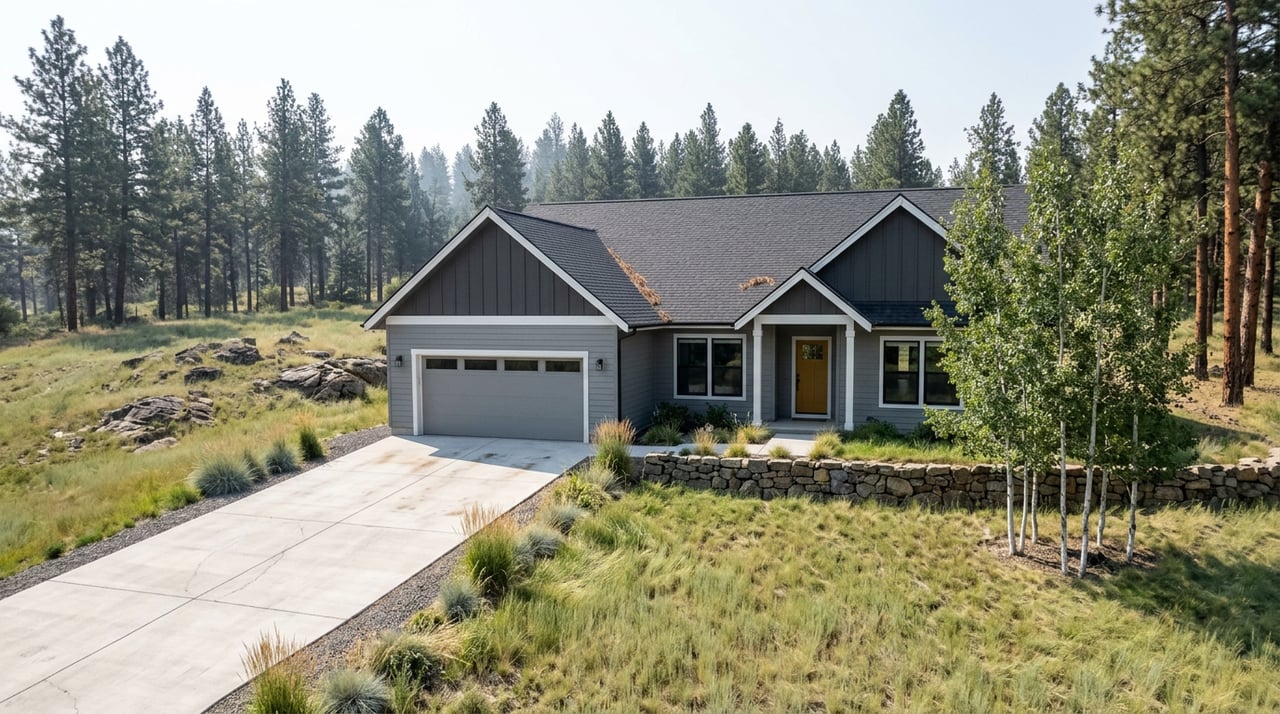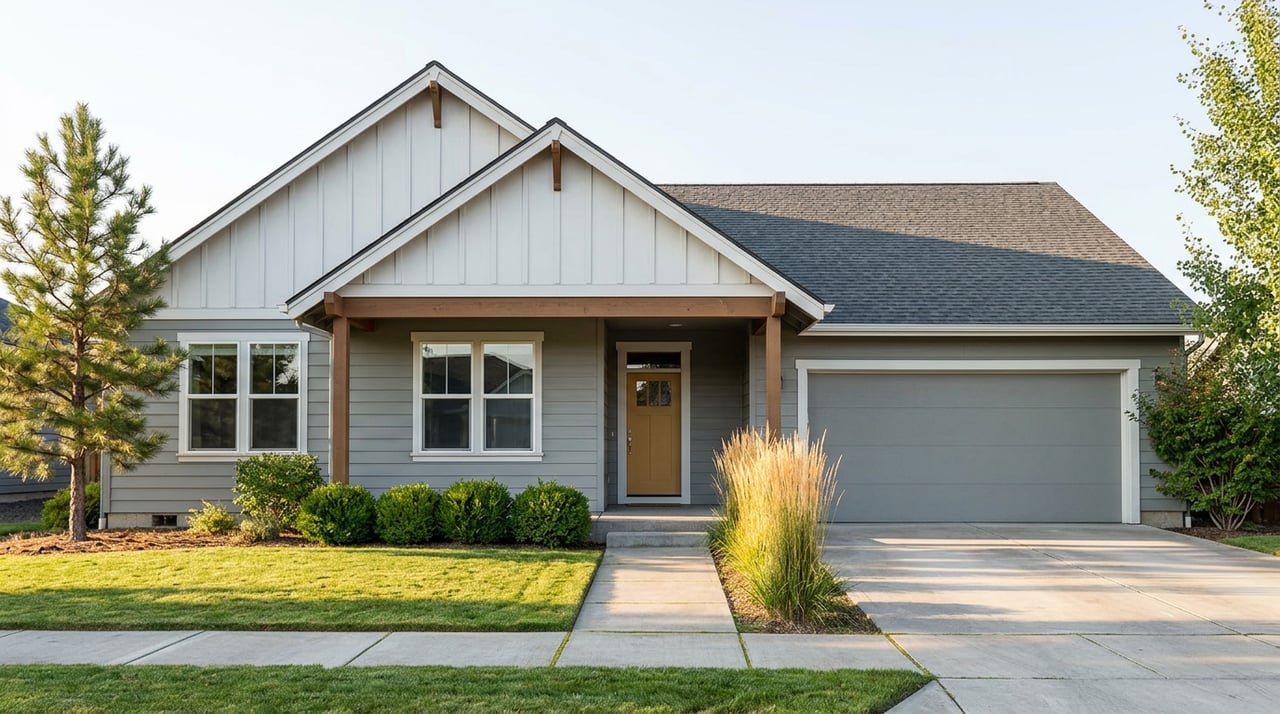
Walk into a Bozeman open house on a property that's been running as a short-term rental and the listing sheet does some of the selling for you. Projected nightly income. Established booking history. Sometimes the phrase "legacy permit in place," dropped like a feature upgrade, right next to the granite counters.
None of that transfers at closing. The permit that makes the income possible is issued to a specific host, not to the address, and the City of Bozeman is explicit about what happens next: if the property is sold or otherwise transferred, the approval terminates and a new application is required. Not a formality. Not a paperwork update. A hard stop that the buyer discovers exists only after they've already signed.
For most Bozeman real estate this would be a footnote. For a shrinking category of properties, it's the whole ballgame.
What "Legacy" Actually Means, and Why It's Frozen
Bozeman's short-term rental system sorts every registered property into three types. Type 1 is a rental inside a home where the owner is present the entire time. Type 2 covers an owner-occupied dwelling where the host isn't present during the stay, including permitted accessory dwelling units and certain duplex arrangements. Type 3 is the one that gets marketed hardest: a whole home, no owner living there, rented out full time.
Ordinance 2149 changed that. It took effect December 14, 2023, and from that date forward, the only whole-home, non-owner-occupied rentals allowed to keep operating are the ones that already held an active permit, or had a complete application on file, before the deadline. The city calls these "Legacy Type 3" properties, and the label is accurate in the strictest sense. It's a fixed list. Nothing gets added to it.
That's what makes a Legacy Type 3 permit valuable in a listing description. It's also what makes it fragile. The city's own rules state that if a Legacy Type 3 permit expires, is revoked, or is forfeited through a transfer of ownership, the property loses eligibility to operate that way permanently. There's no renewal path back in. Once it's gone, it's gone for that address, for every future owner, forever.
The Sale Is the Trigger, Not a Side Effect
This is the part that catches buyers off guard: the sale itself is what ends the permit, not a change in use or a lapse in paperwork. The city's FAQ on this is direct: short-term rental approvals belong to the current host, and if the property changes hands, the approval terminates and the new owner has to apply from zero.
So a buyer purchasing a Legacy Type 3 property isn't purchasing an income-generating asset with a track record. They're purchasing a house that used to be an income-generating asset, with no legal path to recreate that exact arrangement unless they personally intend to live in it, since new whole-home permits haven't been issued since 2023. Whatever nightly income figures appear in the marketing materials describe a business that ends at the closing table.
February Made the Fallback Narrower Too
Even setting Type 3 aside, buyers sometimes assume they can fall back to a Type 1 or Type 2 registration instead. As of this year, that assumption needs a second look.
On February 1, 2026, Bozeman replaced its entire Unified Development Code. Part of that rewrite folded the old RS, R1, and R2 residential zones into a single new district called RA. Under the new code, only Type 1 short-term rentals, the kind where the owner is physically present the whole time, are allowed in RA. Type 2 rentals that had been operating legally in those former zones may no longer be permitted going forward.
Here's how the categories break down under the current rules:
| STR Type | Owner Must Be Present? | New Permits Available in 2026? |
|---|---|---|
| Type 1 | Yes, for the entire stay | Yes, in every district including the new RA zone |
| Type 2 | Owner-occupied, but host may be absent during the rental | Only outside the RA district |
| Type 3 (whole-home, non-owner-occupied) | No | No. Existing Legacy Type 3 permits only, valid until sale, expiration, or revocation |
A buyer relying on the seller's old zoning designation, or an outdated blog post, could easily miss that the parcel now sits inside RA and that the fallback plan they were counting on isn't available anymore.
The Money Behind the Permit
Even before the permit question comes up, Montana's 2026 property tax restructuring changes how these properties are priced into a buyer's math. Short-term rentals, second homes, and vacant residential lots are taxed at a flat 1.90 percent of assessed value. Primary residences and qualifying long-term rentals get a tiered rate that starts as low as 0.76 percent. A buyer weighing an STR purchase against a primary residence purchase is comparing two different tax outcomes before a single reservation is booked.
On top of that, Montana applies a combined 8 percent lodging tax to short-term stays, and Gallatin Valley properties may also carry a per-night tourism assessment. None of this is disqualifying. It's just part of the actual return calculation, and it's easy to leave out when a listing leads with a gross nightly rate instead of a net one.
The Covenant Nobody Checks Until It's Too Late
Zoning compliance and a valid city permit still aren't the full picture. A 2025 court ruling, generally referred to as the Brandt decision, confirmed that a subdivision's recorded covenants can block short-term rentals outright, even in areas where city or county zoning allows them. Since that ruling, buyers in resort-adjacent subdivisions have started pulling the actual recorded declaration for a property before closing, not just checking the STR zoning map, because the map has no way of showing what the homeowners' association actually permits.
This matters more in Bozeman than it might elsewhere, given how much of the STR-friendly inventory sits inside planned subdivisions with their own governing documents. The city's permit portal will tell you whether the address qualifies under municipal code. It won't tell you whether the neighbors' covenants say no regardless.
Not the Same Rules Over the Hill
Worth saying plainly: none of this is a statewide default. Missoula rewrote its own development code this year too, replacing Title 20 with a new Title 22 that took full effect in March 2026, and its short-term rental system works on different logic entirely, built around neighbor notification requirements rather than the type-based zoning categories Bozeman uses. A buyer comparing an STR opportunity in Bozeman against one in Missoula isn't comparing two versions of the same rulebook. They're comparing two cities that independently decided to regulate the same activity in unrelated ways, on unrelated timelines.
Before You Write the Offer, or Set the List Price
If you're buying a property currently operating as a short-term rental in Bozeman, the seller's income history isn't something you're acquiring. Confirm directly with the city's planning department whether the parcel sits in the RA district, what permit type (if any) the address could newly qualify for under your own occupancy plans, and pull the recorded subdivision declaration before you assume the zoning map is the final word.
If you're selling one, especially a Legacy Type 3 whole-home rental, the honest way to market it is as a house with a documented income history, not as an income stream the buyer is entitled to continue. Being upfront about what terminates at closing protects you from a disappointed buyer later and tends to attract the right kind of offer from someone who understands exactly what they're purchasing.
A Few Questions Worth Asking Directly
Does any of this affect a normal long-term rental? No. These rules apply specifically to transient stays under Bozeman's short-term rental ordinance. Standard leases governed by the Montana Residential Landlord and Tenant Act aren't part of this system.
What if the property is in unincorporated Gallatin County instead of the city? Different rulebook. County zoning controls whether an STR is permitted outright, requires a conditional use approval, or isn't allowed at all, and that determination has to come from Gallatin County Planning, not the city's portal.
Can a buyer just keep operating under the seller's permit until it's due for renewal? No. The termination happens at transfer of ownership, not at the permit's expiration date. A permit with eight months left on it still ends the day the deed changes hands.
Buying or selling a property where the income potential depends on a permit that doesn't survive the sale is exactly the kind of detail worth working through with someone who tracks these ordinance changes as they happen. If you're weighing a short-term rental purchase in Bozeman, or pricing one to sell, Cameron Hahn can walk through what actually transfers, what doesn't, and what it means for your offer or your listing price. Schedule a free consultation to talk through the specifics of your property.