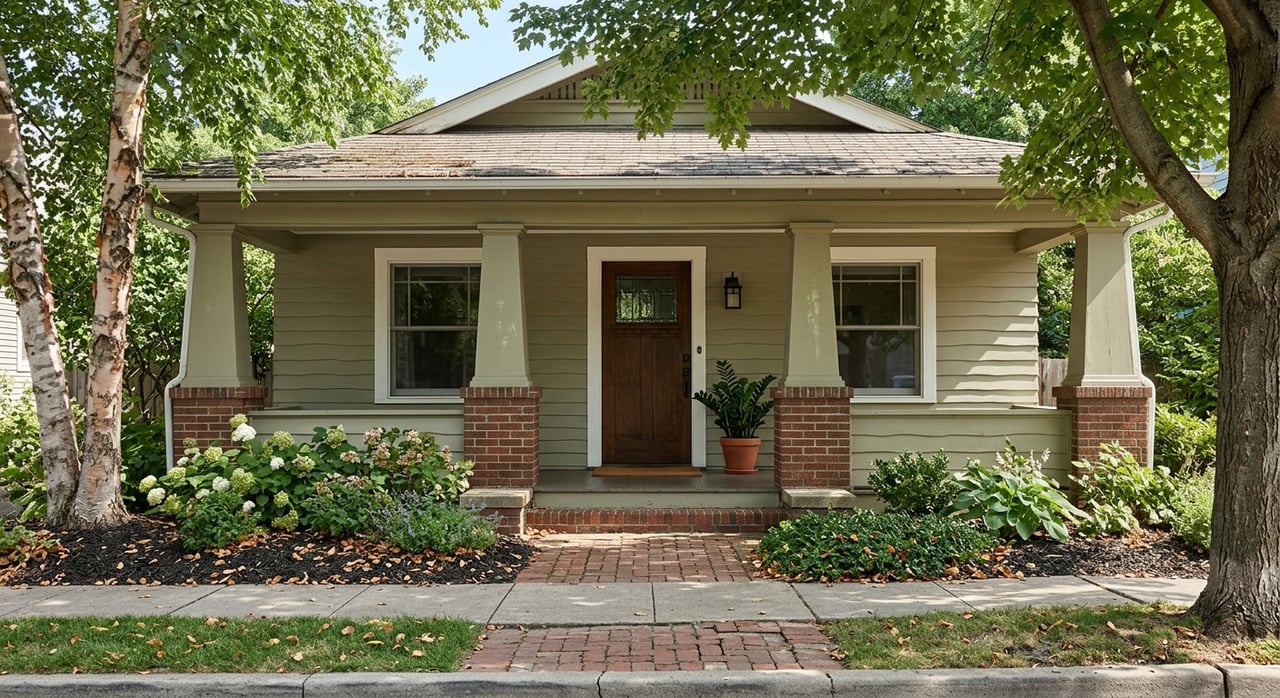
Wondering what it’s actually like to live in Missoula’s University District? If you are drawn to older homes, in-town convenience, and easy access to trails, this neighborhood tends to stand out quickly. The University District offers a distinct mix of historic character, daily walkability, and connection to both downtown Missoula and the University of Montana. Let’s take a closer look at what day-to-day life here can feel like.
Where the University District Is
The University District is a defined in-town neighborhood in Missoula. It sits south of the Clark Fork River, east of South Higgins Avenue, north of Pattee Canyon Drive, and west of Campus Drive.
That location shapes much of the lifestyle here. You are close to downtown, next to the University of Montana, and near some of the city’s best-known trail connections and parks.
A Neighborhood With Established Character
One of the first things many people notice about the University District is that it feels established rather than recently built. The area includes older homes, mature trees, and a street pattern that reflects long-term growth over time.
Part of the neighborhood is also within a historic district. City standards and historic district documentation point to a strong focus on preserving neighborhood character, especially in areas between Higgins and Arthur and from S Street to Beckwith.
The broader University Area Historic District was added to the National Register of Historic Places in 2000. It includes predominantly residential blocks, along with some commercial frontage, churches, and fraternity and sorority buildings, which gives the area a layered and lived-in feel.
Home Styles You’ll See
If you prefer homes with architectural detail, this neighborhood has a lot to offer. Historic records for the area identify styles such as Queen Anne, Colonial Revival, Craftsman bungalow, Tudor Revival, Prairie School, and Spanish Colonial Revival.
In practical terms, that means the housing stock here is very different from a newer subdivision. You are more likely to find established homes with individual design features than rows of similar new builds.
That older-home setting can be a major draw, but it also means buyers should pay attention to property condition, upkeep, and any compatibility considerations for exterior changes. In this neighborhood, growth and updates are viewed through the lens of preserving overall character and scale.
What Daily Life Feels Like
The University District is one of those places where proximity changes your routine. Because it borders downtown and sits next to campus, many daily destinations are close together.
Instead of planning your day around long drives, you may find yourself moving between home, the university area, downtown businesses, and nearby trails with relative ease. For many residents, that convenience is a big part of the neighborhood’s appeal.
Access to Downtown Missoula
Living in the University District puts you close to the energy of downtown Missoula. The city describes downtown as a center for shops, restaurants, cafes, art galleries, events, and river access.
That nearby access can shape everything from a quick coffee run to an evening out. If you enjoy having local businesses, public spaces, and community events nearby, this location makes that easier to enjoy regularly.
Trails and Outdoor Access
For an in-town neighborhood, the outdoor access here is especially strong. The Ron MacDonald Riverfront Trail follows the Clark Fork through downtown and connects to the Kim Williams Nature Trail, creating 7 miles of uninterrupted trail access.
The University of Montana describes the Kim Williams Trail as a flat route from campus to downtown and into the wilderness. That kind of connection is a major lifestyle advantage if you like walking, running, or biking as part of your normal routine.
Mount Sentinel also adds to the neighborhood’s identity. On the edge of campus, it includes about 1,000 acres of native prairie and forest, and the M Trail offers a steep three-quarter-mile hike with broad valley views.
Parks and Green Space
Green space is part of everyday life in and around this area. Bonner Park serves as an important neighborhood gathering point, and citywide park resources in Missoula are extensive.
Missoula Parks & Recreation says the city includes more than 500 acres of parks, 5,000 acres of conservation lands, 22 miles of commuter trails, and 35,000 trees. In the University District, that broader system supports the neighborhood’s leafy, established feel.
The nearby University of Montana campus also contributes to that setting. The campus is designated as the State of Montana Arboretum, which helps reinforce the mature and tree-filled character many people associate with this part of Missoula.
Getting Around Without Relying Only on a Car
Transportation options matter in an in-town neighborhood, and the University District benefits from Missoula’s zero-fare transit system. Mountain Line serves both the University of Montana and downtown.
Current routes include Route 1, Route 8, and Route 12, all of which connect the university area with other parts of the city. For some residents, that makes commuting, errands, and campus access more flexible.
Even if you still drive often, it is useful to have transit, trails, and central location all working together. That mix is part of what makes the neighborhood feel connected.
Arts, Events, and Community Access
Another part of living here is being close to some of Missoula’s cultural anchors. Nearby destinations include the Missoula Art Museum, the Missoula Public Library, and Caras Park.
Caras Park alone hosts roughly 80 to 100 events each year, according to the Downtown Missoula Partnership. If you like being near public programming, seasonal events, and community spaces, the University District gives you convenient access to that side of Missoula too.
What Buyers Should Know About Price
The University District typically commands an in-town premium. Recent market data from Redfin showed a February 2026 median sale price of about $700,000 for the neighborhood, compared with a citywide Missoula median sale price of $535,000.
That gap suggests buyers are often paying for a combination of location, character, and proximity to downtown and the university. It does not mean every property is the same, but it does show that this neighborhood tends to sit above the broader city price level.
There is also broader context to keep in mind. The Missoula Organization of REALTORS’ 2026 Five Valleys Housing Report said the 2025 Missoula-area median sale price was $550,000 and that supply had moved into a healthier 3 to 9 month range, pointing to a more balanced market than the peak frenzy period, even as affordability remains a challenge for many buyers.
Who the University District Fits Best
This neighborhood tends to appeal most to buyers who want historic character, central location, and regular access to trails, campus life, and downtown amenities. If that combination is high on your list, the University District may feel like a strong match.
It may be less ideal if you are looking for newer construction, a larger suburban-style lot, or a quieter residential setting farther from downtown and campus activity. The neighborhood’s appeal is closely tied to its age, location, and connected urban feel.
Why the Neighborhood Stands Out
The University District is not just about one feature. Its appeal comes from the way several things work together: older architecture, mature trees, trail access, transit, downtown proximity, and a setting shaped by the university.
For the right buyer, that creates a lifestyle that is hard to replicate in other parts of Missoula. It feels established, connected, and active in a way that stands apart from more suburban housing options.
If you are comparing neighborhoods in Missoula, this is one worth seeing in person. And if you need help weighing character, price, and long-term fit, Cameron Hahn can help you evaluate your options with clear, local guidance.
FAQs
Where is Missoula’s University District located?
- The University District is south of the Clark Fork River, east of South Higgins Avenue, north of Pattee Canyon Drive, and west of Campus Drive.
What are homes like in Missoula’s University District?
- Homes in the University District are generally older and architecturally varied, with styles that include Craftsman bungalow, Tudor Revival, Queen Anne, Colonial Revival, Prairie School, and Spanish Colonial Revival.
Is Missoula’s University District close to downtown?
- Yes. The neighborhood borders downtown Missoula and offers convenient access to shops, restaurants, cafes, art spaces, events, and riverfront areas.
What outdoor access does the University District offer?
- The neighborhood is near the Ron MacDonald Riverfront Trail, the Kim Williams Nature Trail, Bonner Park, and Mount Sentinel, giving residents easy access to walking, biking, and hiking options.
Is public transit available in Missoula’s University District?
- Yes. Mountain Line is zero-fare and serves the University of Montana, downtown, and other parts of Missoula through routes that include Route 1, Route 8, and Route 12.
Is the University District one of Missoula’s pricier neighborhoods?
- Recent market data cited in the research report shows the University District above Missoula’s broader median sale price, reflecting an in-town premium tied to location, character, and proximity to downtown and campus.