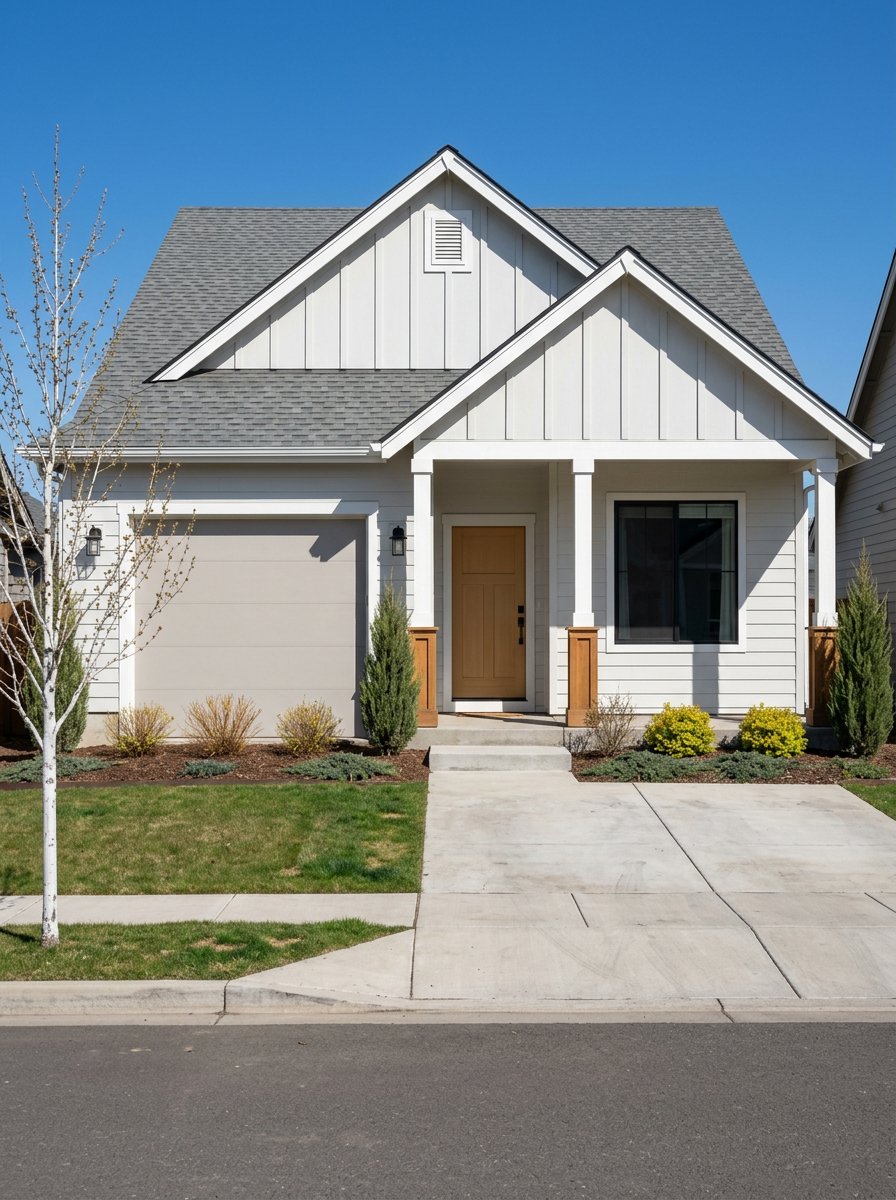
Trying to choose between a brand-new home and a resale in Bozeman? You are not alone. With steady building activity and a wide mix of established neighborhoods, both paths can work. In this guide, you will compare real costs, timelines, risks, and day-to-day tradeoffs so you can decide with confidence and budget smart. Let’s dive in.
Bozeman market snapshot that shapes your choice
Bozeman’s market has cooled from recent peaks, which means more time to shop and negotiate in many segments. Recent reporting shows a January 2026 median sale price near 615,000 and about 104 days on market. Different portals publish different medians because they track different home types and time windows, so always match the number to the product you want.
Gallatin County remains active for new construction. U.S. Census QuickFacts shows about 1,706 building permits issued countywide in 2024, a sign that new homes and townhomes will keep coming to market even as construction has slowed from recent highs. You can review county-level permitting context in the Census data at the Gallatin County page on U.S. Census QuickFacts.
Montana’s most recent statewide review notes rising property values in Gallatin County into 2024–25, which matters for your tax planning. Learn how the state’s value changes can affect your bill in the Montana DOR 2025 property value changes update and confirm parcel-level questions with the Gallatin County Treasurer’s Property Tax Division.
New build: what you gain and what you trade
What you gain
- Predictability in the early years. You get new systems, up-to-code construction, and a builder warranty. Many builders provide a 1-2-10 warranty structure, which typically covers workmanship for 1 year, systems for 2 years, and qualifying structural items for 10 years. Learn more about structural vs service agreements from 2-10’s warranty primer.
- Lower immediate maintenance. Appliances, roof, HVAC, and plumbing are new, so your first few years often bring fewer surprise costs.
- Modern design and efficiency. New homes are built to current energy codes and often include better insulation, windows, and HVAC. See Montana’s code status via the Building Codes Assistance Project.
- Customization. Depending on the builder and stage, you can select finishes and upgrades that fit your style.
What you trade
- A price premium in many cases. Finished prices can move up with lot selection, elevation changes, and design center upgrades.
- Timeline and construction risk. Typical production builds take 6 to 12 months after permits. Weather, labor, and supply chain can add time.
- Community rules. New subdivisions often include HOAs with rules that protect consistency but limit certain choices.
Where you will find most new builds
You will see ongoing development in growth corridors around Bozeman and nearby Belgrade, including areas like Bridger Heights, Four Corners, and West Post, plus select downtown infill and mixed-use condo projects. Lot size, commute, and amenity mixes vary by community, so compare by neighborhood rather than a citywide average.
Resale: what you gain and what you trade
What you gain
- Established locations and character. Close-in neighborhoods, mature landscaping, and unique architecture can be easier to find in resale.
- Move-in timing. If you need to close and occupy in the next 30 to 90 days, resale or a completed spec home is usually the safer path.
- Negotiation flexibility. In a cooler market, some sellers will negotiate on price, credits, or timing.
What you trade
- Near-term repairs and updates. Older roofs, furnaces, or plumbing can add to your first-year costs.
- Fewer modern features. You might plan for energy updates or layout changes to fit today’s living.
- Unknowns until inspection. A thorough inspection and careful review of disclosures are essential.
Cost comparison in Bozeman: the real line items
Purchase price bands
New-construction pricing in the area ranges widely by product. Recent community releases suggest some townhomes and smaller homes can start in the mid 400s to mid 500s. Many single-family new builds and new spec homes price above the single-family median depending on size, location, and finishes. In practice, you will want to compare neighborhood by neighborhood and include upgrade choices in your final tally.
Financing and incentives
- New construction often uses construction loans or one-time-close construction-to-permanent mortgages. These loans have unique draw schedules and documentation compared to a standard purchase mortgage. A good primer on process and terms is this guide on how to finance building a home.
- Builders may offer incentives such as rate buydowns, closing-cost credits, or appliance packages, often tied to a preferred lender. Read the fine print and compare the net payment, not just the headline credit.
- Resale closing costs are usually similar in total percentage to new homes if you are using a standard purchase mortgage, but without the draw process required for a build.
Property taxes and special assessments
Gallatin County bills property taxes based on taxable value, which may differ from market value after state adjustments or exemptions. Recent valuation updates have changed many owners’ tax expectations, so plan for year-to-year variation. For timelines and payment details, visit the Gallatin County Treasurer’s Property Tax Division. For how statewide valuation shifts affect taxable values, review the Montana DOR 2025 property value changes update.
HOA and ongoing community fees
Newer subdivisions, townhomes, and condos commonly include HOA dues that cover common-area maintenance, snow removal, and sometimes limited utilities or amenities. In many townhome communities, quarterlies can sit in the low hundreds, while amenity-rich developments may be higher. Always confirm what is included and whether there are transfer, working-capital, or special-assessment fees.
Maintenance and warranties
- New builds: Confirm the warranty booklet, coverage periods, and whether the policy is insurance-backed and transferable. The 1-2-10 model is common. Use a blue-tape walkthrough and a final inspection to form a punch list before closing. You can learn the basics in this 2-10 warranty overview.
- Resale: A simple budgeting rule is to set aside about 1% to 3% of the home’s value per year for maintenance and system reserves, with older homes at the higher end. See practical guidance on annual home upkeep from American Family Insurance’s maintenance cost article.
Energy efficiency and monthly bills
New homes built to current code often deliver lower utility bills thanks to modern insulation, windows, and HVAC. Over five years, those savings can offset part of a new-home premium. Montana’s code environment shapes the baseline for permitted homes; you can review the state’s status through the Building Codes Assistance Project.
Timeline and risk: how the paths differ
Permitting and approvals
Bozeman runs permitting through its online Click2Gov portal. Review times vary by plan quality and scope. Simpler projects can see reviews in weeks, while larger or conditional plans may take months. If you are building on a private lot, factor in utility connections and any covenant approvals. Explore the city’s permit portal here: Bozeman Click2Gov Building Permits.
Typical build calendars
After permits, a modern production build often runs 6 to 12 months from foundation to finishes. Custom builds can extend 9 to 18 months. If using a one-time-close construction loan, expect staged draws, inspections, and tighter coordination. For a step-by-step overview, see this construction-to-permanent financing guide.
Risk profile and how to manage it
- New build risk: schedule delays and finish items. Mitigate with a detailed contract, regular site visits, and third-party inspections at key milestones. Warranties help reduce early repair risk.
- Resale risk: hidden capital repairs. Reduce with a thorough inspection, sewer scope if applicable, and targeted contractor estimates before you remove contingencies.
Decision framework: which path fits you
- Choose new construction if you want predictable first years of ownership, lower immediate maintenance, and you can wait 6 to 12 months or accept a newer-community location.
- Choose resale if you prioritize a specific established neighborhood, unique character, or move-in timing within 30 to 90 days, and you are comfortable budgeting for inspections and near-term maintenance.
Your 5-year total cost worksheet
Modeling total cost helps you compare apples to apples.
- Price and upgrades
- New build: Base price + lot premium + structural options + design upgrades + landscaping + blinds/appliances not included.
- Resale: Purchase price + planned updates in the first 24 months.
- Financing and fees
- Interest rate, points, and closing costs. If new construction, add potential construction-loan fees and interest-only draws.
- HOA and community costs
- Monthly or quarterly dues, transfer fees, working-capital contributions, and amenity charges.
- Taxes and insurance
- Use the current assessed or projected taxable value and confirm with the county. Start with the Gallatin County Treasurer’s page.
- Maintenance and energy
- Set a 1% to 3% annual maintenance reserve for resale. For new construction, keep a smaller reserve during the warranty period and revisit after year two. Consider likely energy savings for new construction using Montana’s current code baseline from the Building Codes Assistance Project.
- Move-in timing costs
- If you need temporary housing or rate-lock extensions during a build, add those to the model.
Quick buyer checklist for Bozeman
- Budget and financing
- Get pre-approved for a purchase mortgage. If considering a build, also request a one-time-close or construction-loan prequalification. A helpful overview is this construction financing guide.
- Location and lifestyle priorities
- List your non-negotiables such as proximity to downtown, commute patterns, lot size, or access to trails. Compare those priorities across your target neighborhoods and nearby new communities.
- Time and urgency
- If you must move within 1 to 3 months, focus on resale or completed spec homes. If you can wait 6 to 12 months, a new build opens more choices.
- Maintenance and warranties
- For new construction, request the full warranty booklet and confirm whether it is insurance-backed and transferable. For resale, plan a detailed inspection and reserve 1% to 3% of home value annually for upkeep. Learn the warranty basics from 2-10’s guide.
- Taxes and verification
- Confirm parcel-level tax estimates and payment schedules with the Gallatin County Treasurer’s Property Tax Division and review statewide valuation context via the Montana DOR update.
Next steps
Whether you are leaning new or resale, a neighborhood-by-neighborhood comparison will clarify your best fit. If you want help modeling total cost, understanding builder timelines, or comparing specific Bozeman neighborhoods with nearby new communities, reach out. Schedule a pressure-free consult with Cameron Hahn to align your budget, timing, and lifestyle with the right property.
FAQs
What is the new-home premium in Bozeman?
- It varies by neighborhood and product; some smaller new townhomes start near mid 400s to mid 500s, while many single-family new builds price above the single-family median once lot and upgrades are included.
How long does new construction take in Bozeman?
- After permits, many production builds run 6 to 12 months; custom homes often take 9 to 18 months, with timelines shaped by weather, labor, and supply chains; see this financing and process overview.
How do property taxes work for Gallatin County buyers?
- Taxes are based on taxable value and local mill levies; verify parcel estimates with the Gallatin County Treasurer’s Property Tax Division and review statewide valuation changes via the Montana DOR update.
Are new homes more energy efficient in Montana?
- Often yes; permitted new homes follow current state energy codes and commonly include better insulation, windows, and HVAC; check Montana’s code status on the Building Codes Assistance Project.
If I need to move in 60 days, which path fits?
- Focus on resale or completed spec homes to meet a near-term move-in; a new build typically requires 6 to 12 months after permits.